
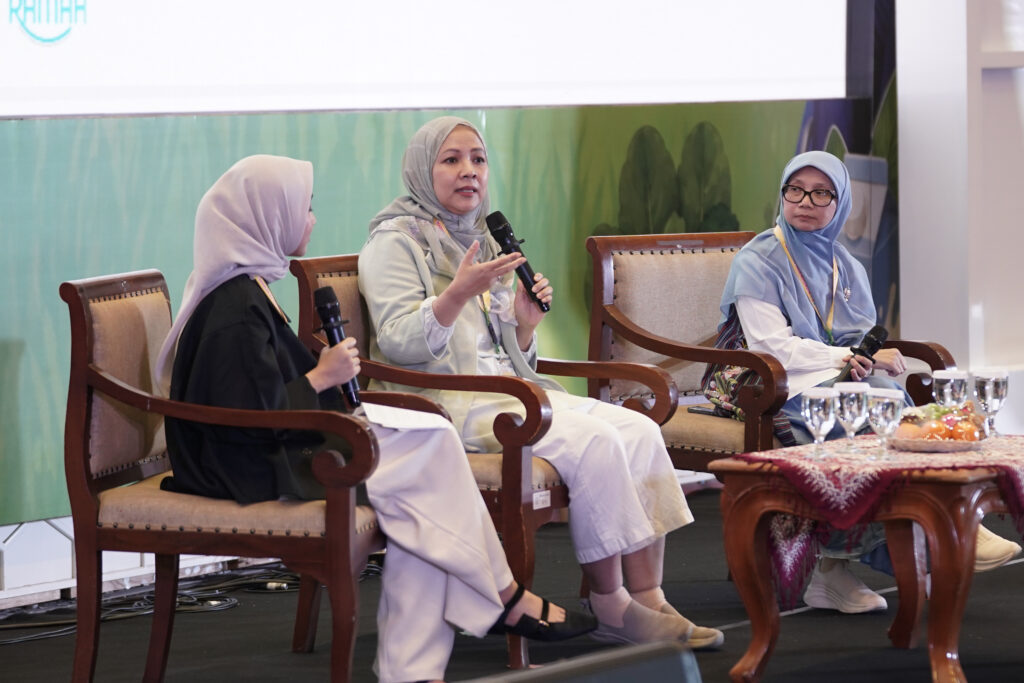
Jakarta, 23 August 2026 – As part of SEAMEO RECFON’s celebration of the 10th anniversary of Nutrition Goes to School (NGTS), hundreds of participants joined the talkshow “Healthy Mind, Healthy Eating, and Self-Love: The Art of Nourishing Ourselves in the Digital Age” at Plaza Insan Berprestasi, Ministry of Primary and Secondary Education of the Republic of Indonesia. Held in a hybrid mode, the session explored the connection between mental well-being, eating behaviour, and self-acceptance among children and adolescents in today’s digital environment.
The talkshow was moderated by Nadya Rizki Fadilah, MGZ, Research Consultant at Landscape Alliance and featured dr. Mira Dewi, M.Si, Ph.D, academic and medical nutrition researcher at IPB University, and dr. Eva Devita Harmoniati, Sp.A(K), paediatrician and consultant in social paediatric development at Harapan Kita Women and Children’s Hospital and member of the Child Protection Task Force of the Indonesian Pediatric Society (IDAI). Opening the discussion,dr. Mira Dewi, M.Si, Ph.D explained that children’s nutritional status can be monitored through anthropometric indicators, particularly body weight and height plotted against appropriate growth charts.
However, she emphasised that good nutrition also depends on adequate micronutrient intake, including vitamins and minerals such as iron. Children with adequate nutrition are generally energetic and able to concentrate during learning, while frequent fatigue and difficulty concentrating may indicate certain micronutrient deficiencies. Indonesia continues to face a double burden of malnutrition, with undernutrition and stunting remaining challenges in some areas while overweight and obesity continue to rise, particularly in urban settings. The speakers also highlighted the growing importance of preventing unhealthy eating patterns from an early age, as conditions such as hypertension and diabetes are increasingly affecting younger adults.
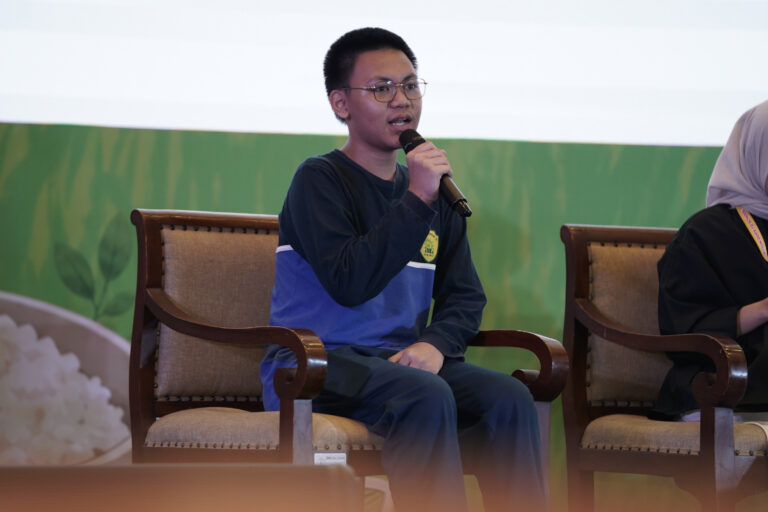
To connect the discussion with students’ daily habits, the talkshow invited Muhammad Atala Arif Yusuf, a Grade 9 student from SMP Muhammadiyah 36 Jakarta, and Sena Yasifa Pratiwi, a Grade 11 student from SMK Wikrama Bogor, to showcase their lunchboxes. Atala’s lunchbox included white rice, omelette, seasoned chicken gizzard, fried noodles, mixed vegetables, and full-cream UHT milk. dr. Mira noted that the meal was diverse but contained a double-carbohydrate combination of rice and noodles. She recommended reducing the carbohydrate portions, increasing vegetables, and adding fruit.
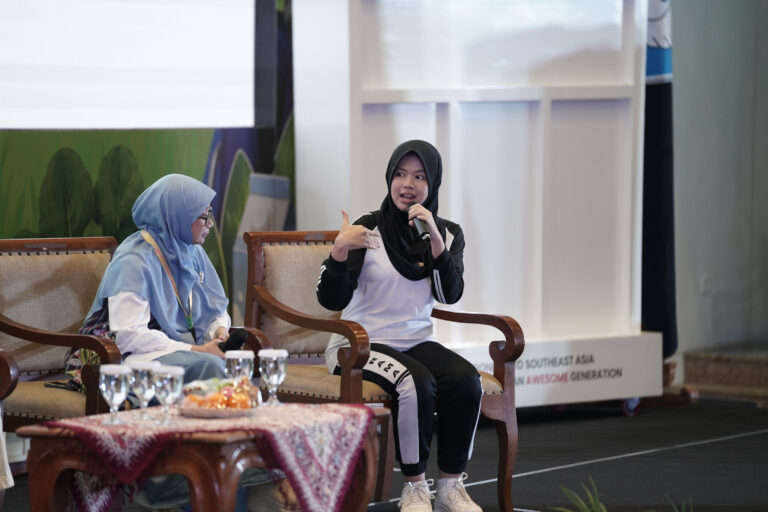
Sena’s lunchbox contained white rice, vegetables, plant-based and animal-based protein, and papaya. dr. Mira Dewi, considered the meal well-balanced, with the suggestion to add more dark green vegetables. SMK Wikrama Bogor also supports healthy eating habits through its “Sarapan Bersama” (Breakfast Together) programme, where students have breakfast together every Friday. The session concluded with an interactive Q&A addressing everyday nutrition concerns. For picky eaters, dr. Eva recommended introducing new foods gradually and presenting them in appealing variations, while serving them alongside foods the child already enjoys.
Responding to a question about eating dinner after 7 p.m., dr. Mira Dewi, clarified that weight gain is influenced by overall energy intake and expenditure rather than simply the time of eating. However, eating too close to bedtime may affect digestion and sleep quality, so allowing approximately two to three hours between dinner and bedtime is advisable. For adolescents concerned about stagnant weight gain, dr. Eva emphasised the importance of assessing growth objectively using appropriate growth charts. If nutritional status is already within the healthy range, increasing food intake unnecessarily may instead increase the risk of unhealthy weight gain.
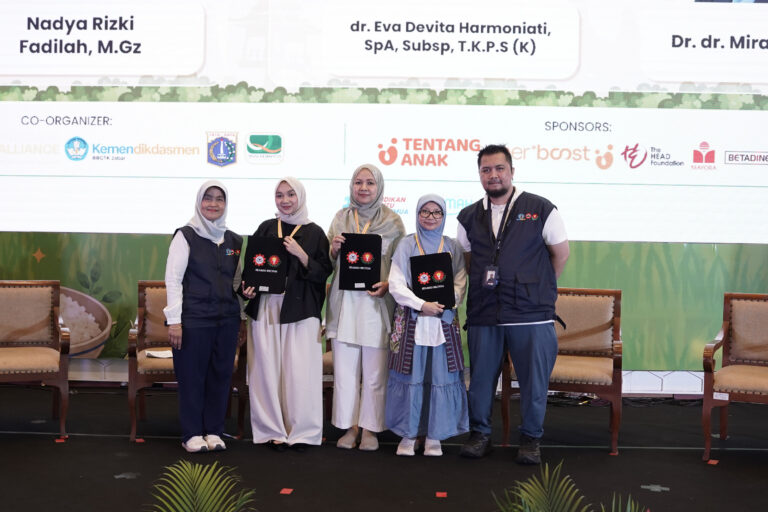
The “Healthy Mind, Healthy Eating, and Self-Love” talkshow at SEAMEO RECFON’s 10th Anniversary Celebration of NGTS highlighted that self-love goes beyond physical appearance. For children and adolescents, self-love also means understanding their bodies, recognising their emotional needs, making informed food choices, and building healthy habits for the future. As NGTS marks a decade of promoting nutrition education, SEAMEO RECFON continues to emphasise that healthy eating is not only about what we eat, but also why and how we eat—an important foundation for healthier individuals and future generations.