
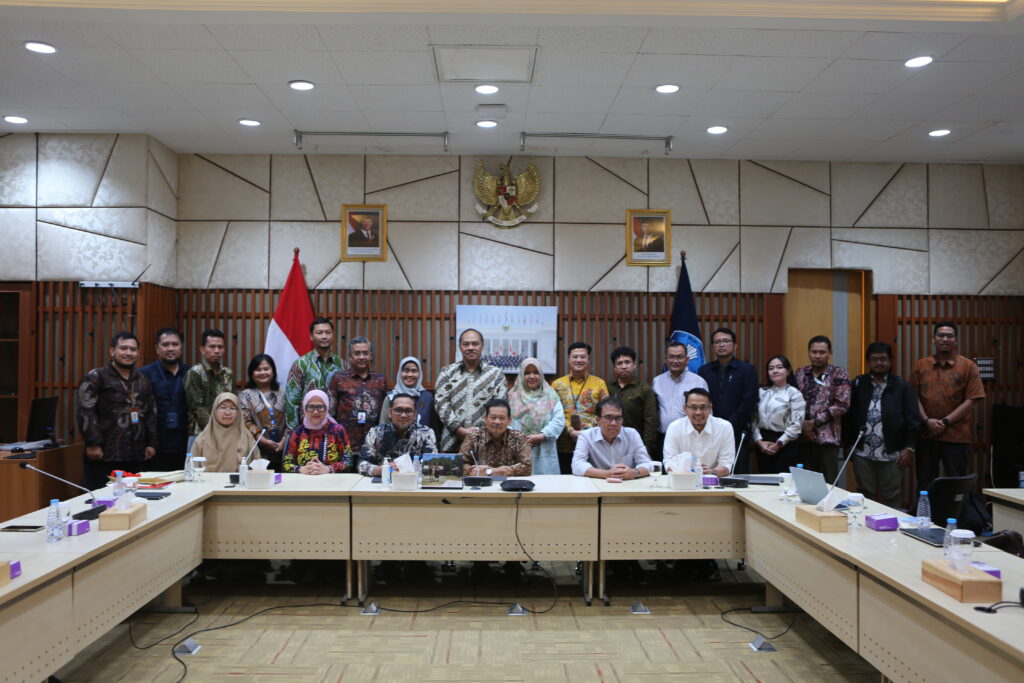
JAKARTA – As part of its commitment to supporting Indonesia’s national priorities in education and nutrition, SEAMEO RECFON (Regional Centre for Food and Nutrition) recently held an audience meeting with the Ministry of Primary and Secondary Education to introduce its strategic programs and explore opportunities for stronger collaboration in advancing human resource development.
During the meeting with Didik Suhardi, Ph.D., Special Staff for Management and Governance, SEAMEO RECFON presented its mandate in education and training, research capacity building, information dissemination, partnerships, and community development in the field of food and nutrition. Established in 1968 and hosted by the University of Indonesia, SEAMEO RECFON has served as a regional centre of excellence in food and nutrition for nearly six decades.
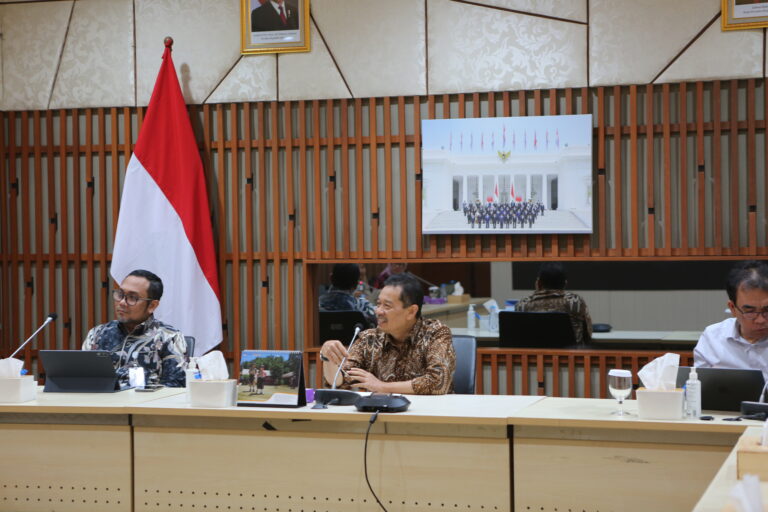
“SEAMEO plays a strategic role in supporting the Ministry of Primary and Secondary Education, not only through research but also by ensuring that its work contributes to learning in schools. Going forward, there are many opportunities to strengthen collaboration between SEAMEO RECFON and the Ministry’s directorates to support evidence-based education programmes,” said Dr. Didik Suhardi.
Dr. Didik Suhardi also highlighted SEAMEO RECFON’s strategic role in supporting the Ministry of Primary and Secondary Education through programmes that extend beyond research and contribute directly to improving learning in schools. He also encouraged stronger institutional collaboration to maximise the impact of SEAMEO’s initiatives across the education sector.
A Life-Cycle Approach to Nutrition
Director of SEAMEO RECFON, Prof. Rini Sekartini introduced the Centre’s three flagship programmes, which address nutrition and human development across every stage of life.
“SEAMEO RECFON has three flagship programmes: Anakku Sehat dan Cerdas (Early Childhood Care, Nutrition, and Education), which focuses on the prenatal period up to six years of age; Nutrition Goes to School (NGTS), which supports children aged 6 to 18 years; and Nutrition Goes to Workplace (NGTW), which promotes nutrition for productivity among the working-age population,” said Prof.Rini .
Together, these flagship programmes demonstrate SEAMEO RECFON’s commitment to strengthening nutrition interventions throughout the life cycle, from early childhood to adulthood.
Supporting National Priorities Through Evidence-Based Programmes
SEAMEO RECFON continues to align its initiatives with Indonesia’s national development agenda. Through its flagship programmes, the Centre supports key government initiatives, including Holistic Integrative Early Childhood Education (PAUDHI), School/Madrasa Health Programme(UKS/M), the Seven Habits of Great Indonesian Children programme, and workplace health promotion for educators.
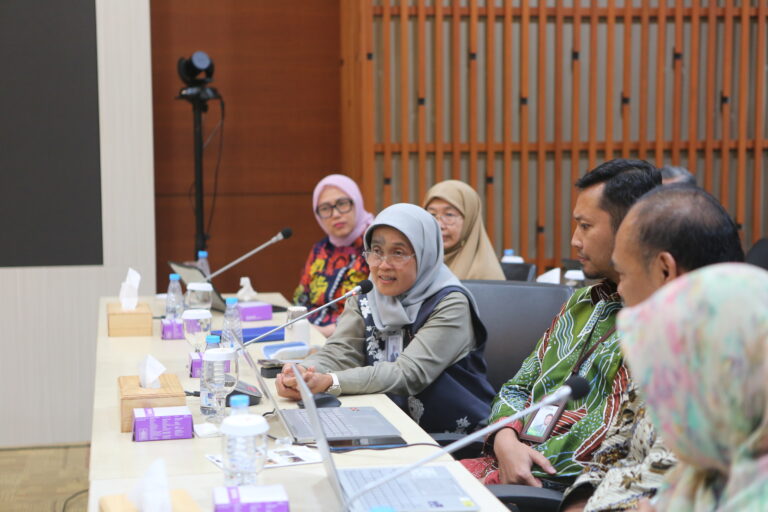
Highlighting the Centre’s achievements in 2026, Prof. Rini shared:
“This year, SEAMEO RECFON has trained approximately 2,500 early childhood teachers, health workers, and community health volunteers from more than 1,800 early childhood education centres across 14 districts and municipalities. We have also developed more than 1,000 local government representatives as Master Trainers in 133 districts and municipalities.”
She also highlighted the progress of the NGTS programme.
“Through NGTS, we have trained approximately 3,500 teachers from 2,400 educational institutions and supported the development of 41 independent model schools and madrasahs from nearly 300 assisted schools.”
Emphasising the importance of collaboration, Prof. Rini added:
“Through advocacy and dialogue, we remain committed to ensuring that food and nutrition programmes create broader impacts for communities.”
Advancing Regional Excellence in Food and Nutrition
Over nearly six decades, SEAMEO RECFON has conducted 139 research studies, produced 85 intellectual property rights for educational materials, and published 214 scientific publications. The Centre also operates an ISO-certified nutrition laboratory at the University of Indonesia’s Salemba Campus.
Its programmes have reached several Southeast Asian countries, including the Philippines, Cambodia, Laos, Malaysia, and Myanmar, through research collaborations, capacity-building initiatives, and regional partnerships.
Highlighting the Centre’s unique role within the SEAMEO network, Prof. Rini noted:
“SEAMEO RECFON is the only SEAMEO Centre dedicated to food and nutrition in Southeast Asia.”
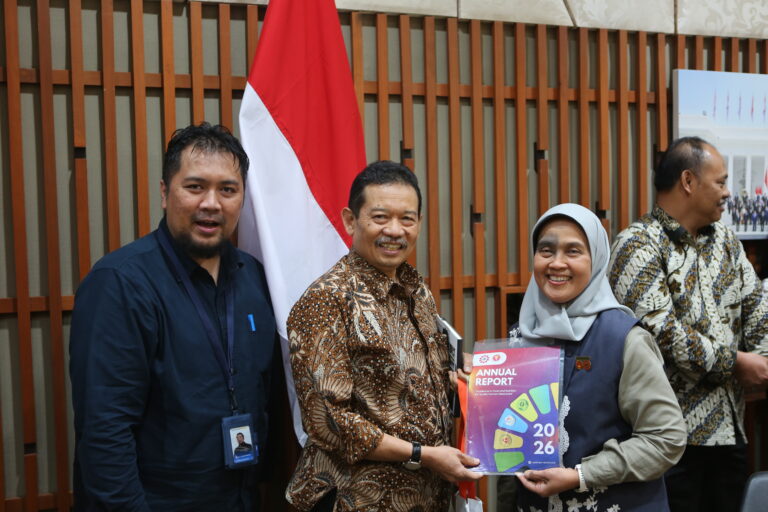
Looking ahead, SEAMEO RECFON remains committed to strengthening collaboration with the Ministry of Primary and Secondary Education and other strategic partners to advance evidence-based nutrition policies, improve learning outcomes, and contribute to the development of healthier, more productive, and globally competitive human resources across Indonesia and Southeast Asia.