Jakarta, 9-13 March
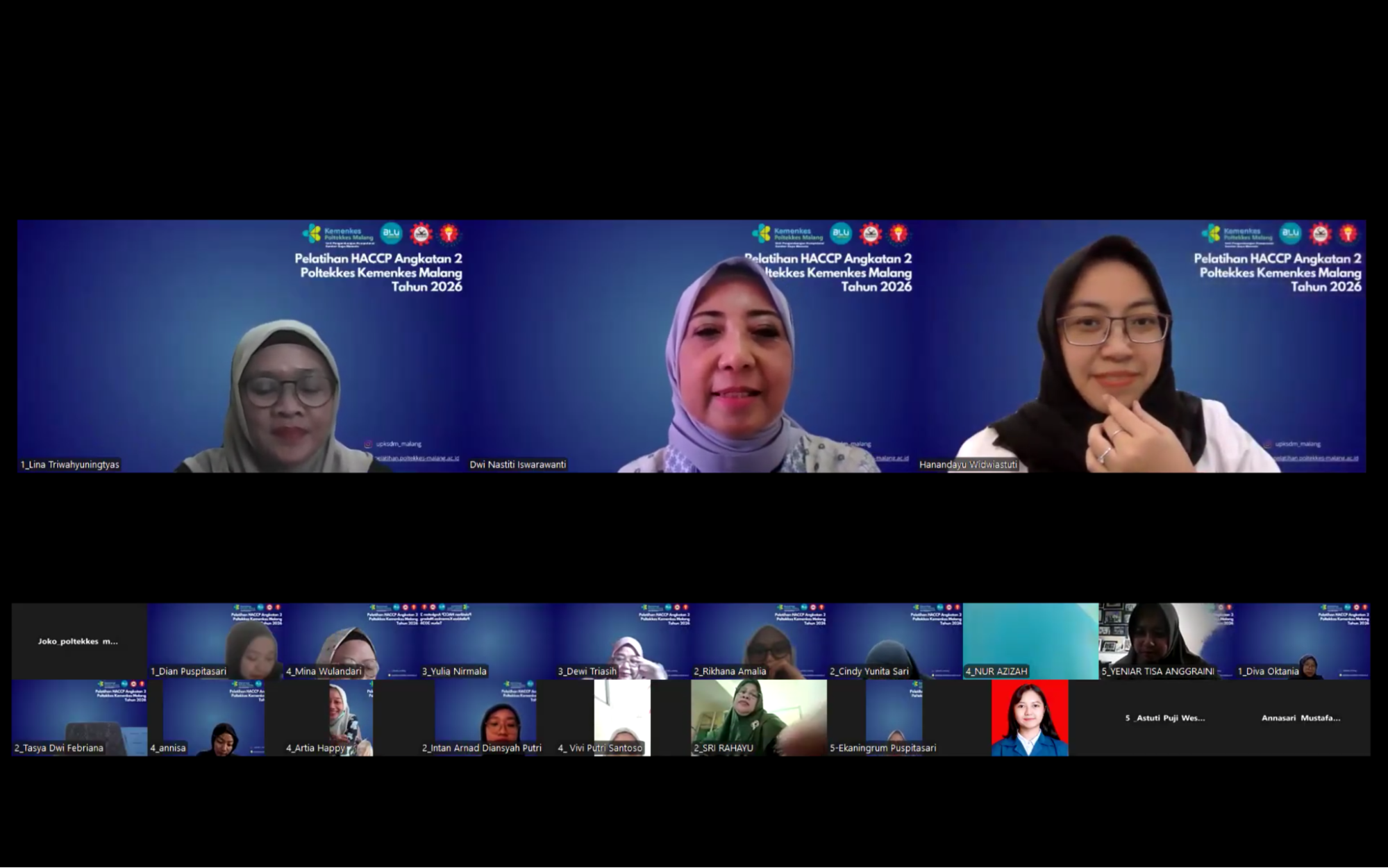
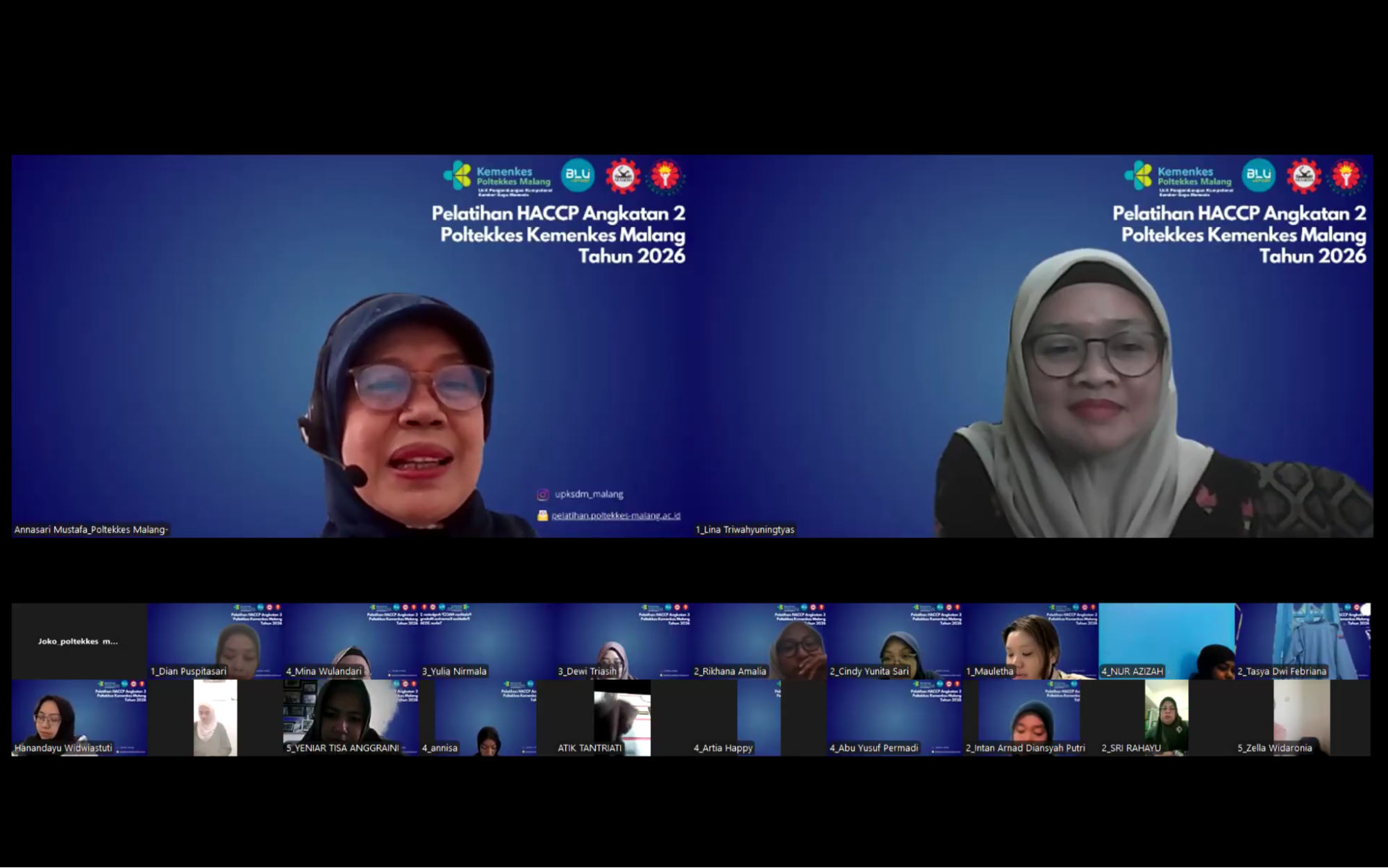
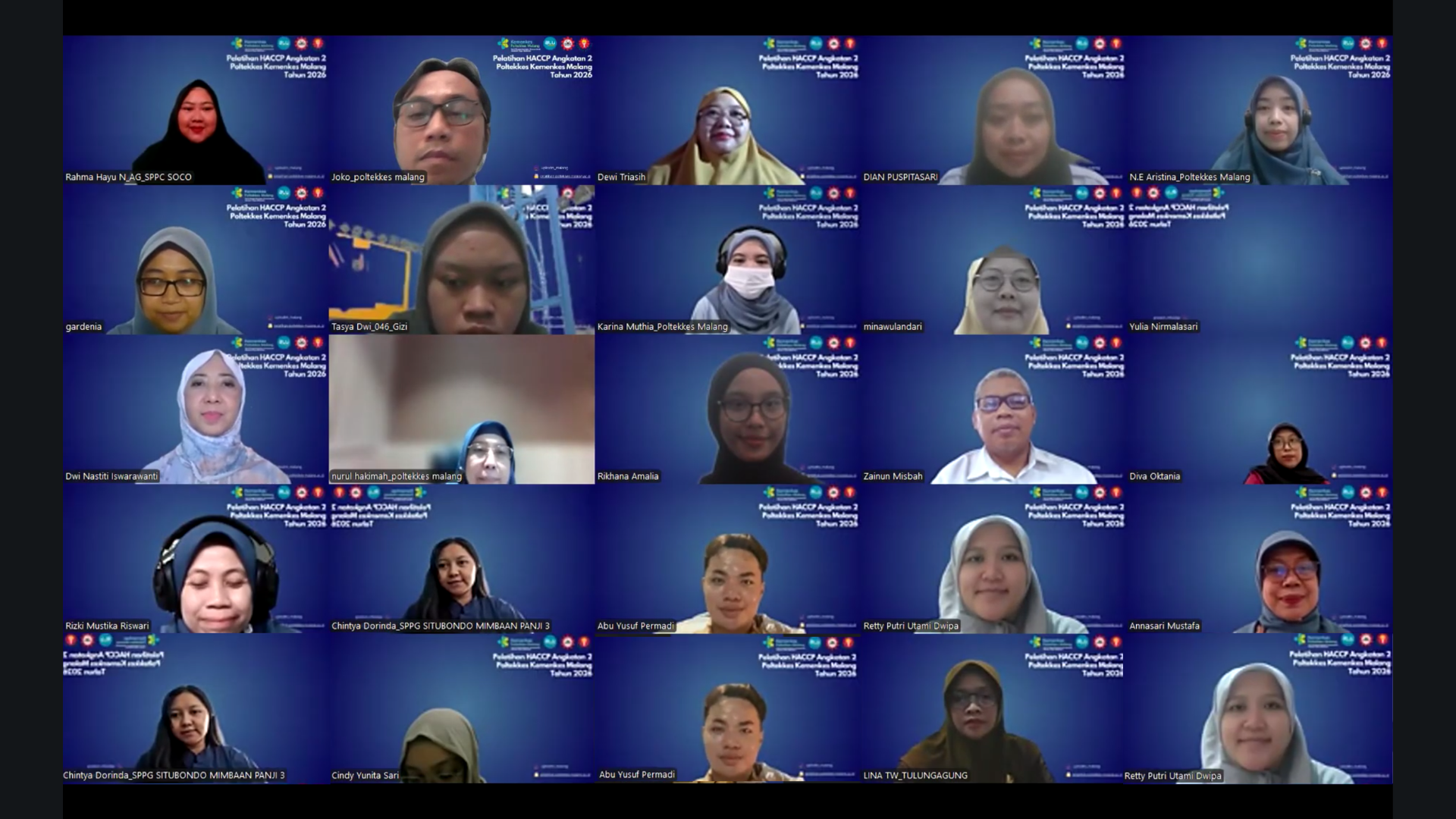
SEAMEO Regional Centre for Food and Nutrition (SEAMEO RECFON) in collaboration with the Health Polytechnic of Malang conducted the 2nd National Training on Hazard Analysis and Critical Control Point (HACCP) in 2026. The training was conducted online from 9 to 13 March 2026 and aimed to strengthen the capacity of professionals and practitioners in food safety management.
Through this collaboration, SEAMEO RECFON sought to contribute to the strengthening of food safety competencies in Indonesia. HACCP is widely recognized as an international system for identifying, evaluating, and controlling hazards that are critical to food safety. The training was therefore designed to enhance participants’ knowledge and practical skills in implementing HACCP principles within food processing and food service systems, while supporting national efforts to improve food safety standards. This training was conducted in alignment with the accredited curriculum titled “Food Safety Training Curriculum and Hazard Analysis and Critical Control Point (HACCP)”, developed by SEAMEO RECFON. The use of this standardized and accredited curriculum ensures that the training content meets recognized quality benchmarks and is delivered in a structured, competency-based manner.
A total of 30 participants from community health centers (Puskesmas), regional public hospitals (RSUD), and Nutrition Fulfillment Service Units (SPPG) in Ngawi and surrounding areas attended the training. All participants successfully completed the program, demonstrating the attainment of the expected learning outcomes as well as a strong commitment to strengthening food safety practices within their respective institutions.
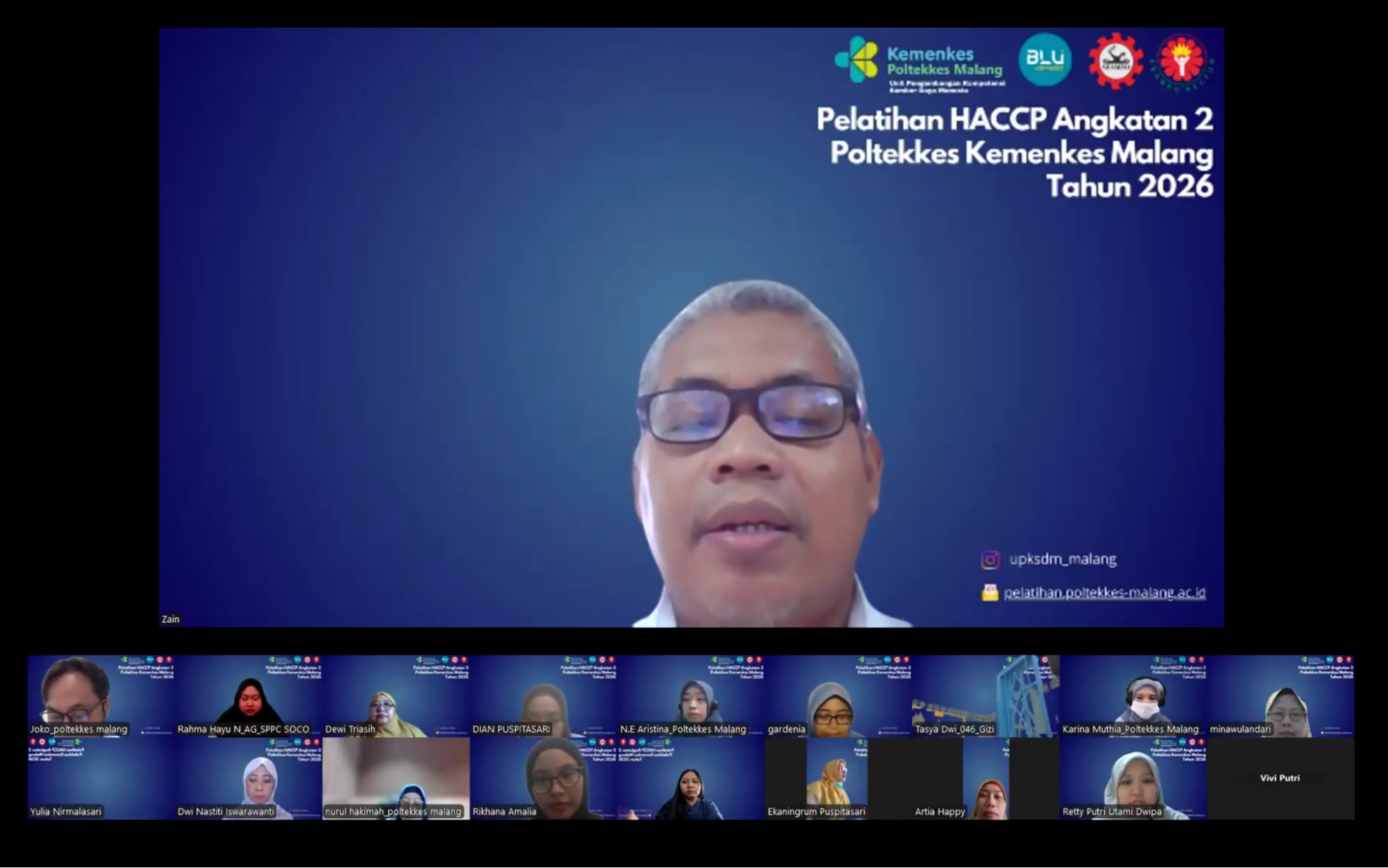
In his opening remarks, Dr. Zainun Misbah, M.Sc., Acting Deputy Director for Administration of the SEAMEO RECFON, emphasized the importance of strengthening human resources in food safety through continuous training initiatives that have been conducted since 2025. He highlighted that food safety is a fundamental human right guaranteed by Law No. 36 of 2009 on Health. “Food that does not meet health standards must not be circulated, because safe food is the foundation of a healthy and productive society. Therefore, the HACCP approach is essential as a systematic preventive system to identify, assess, and control potential hazards throughout the food processing chain,” he explained.
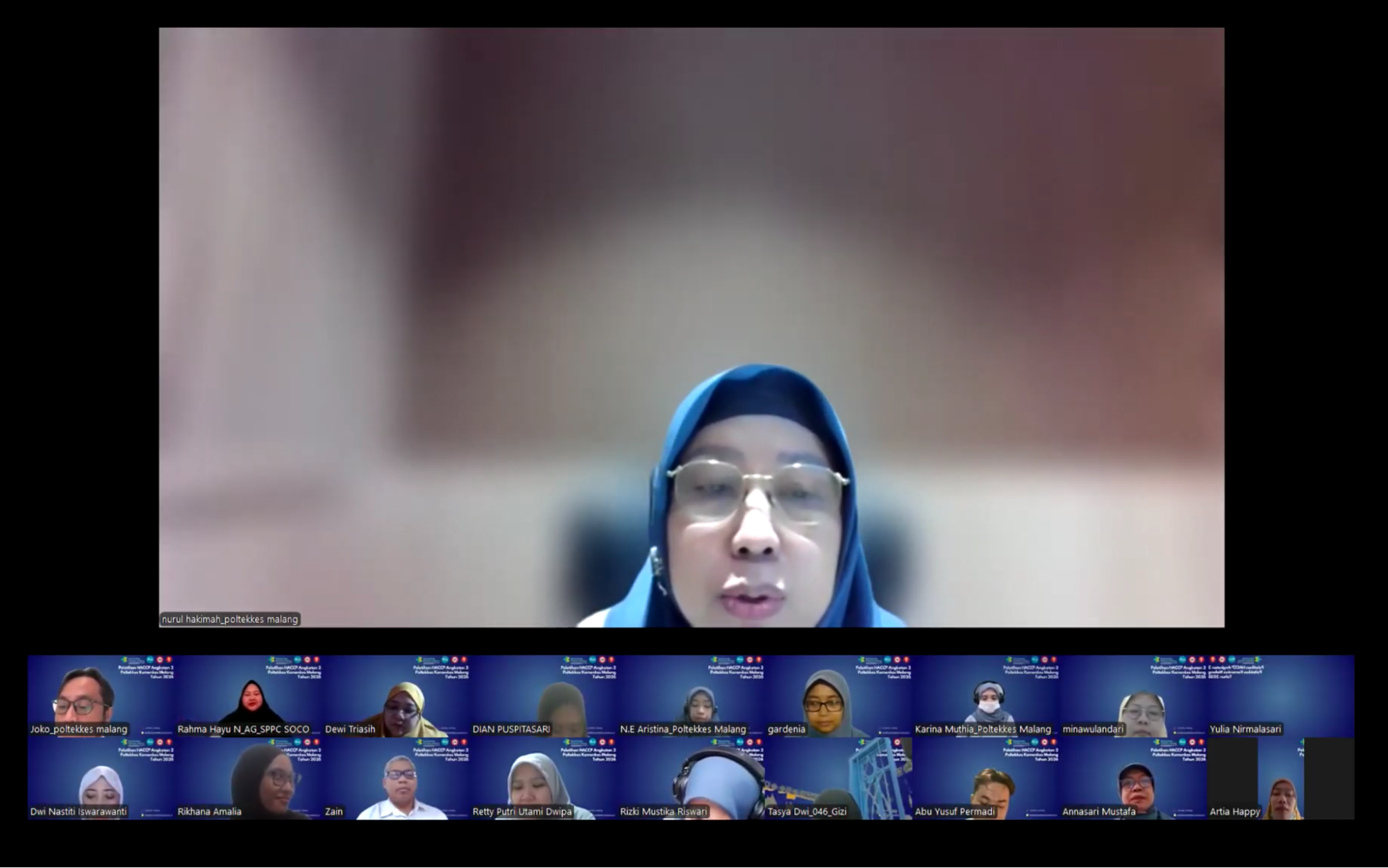
Dr. T. Dra. Nurul Hakimah, SST, M.Kes, Vice Director I for Academic Affairs of the Health Polytechnic of Malang, also highlighted the importance of HACCP in ensuring food safety. She noted that Indonesia, as one of the largest food-producing countries, faces significant food safety risks. “Through this training, participants are expected to identify potential hazards, determine critical control points, and develop appropriate control procedures to ensure the safety of food products,” she stated.
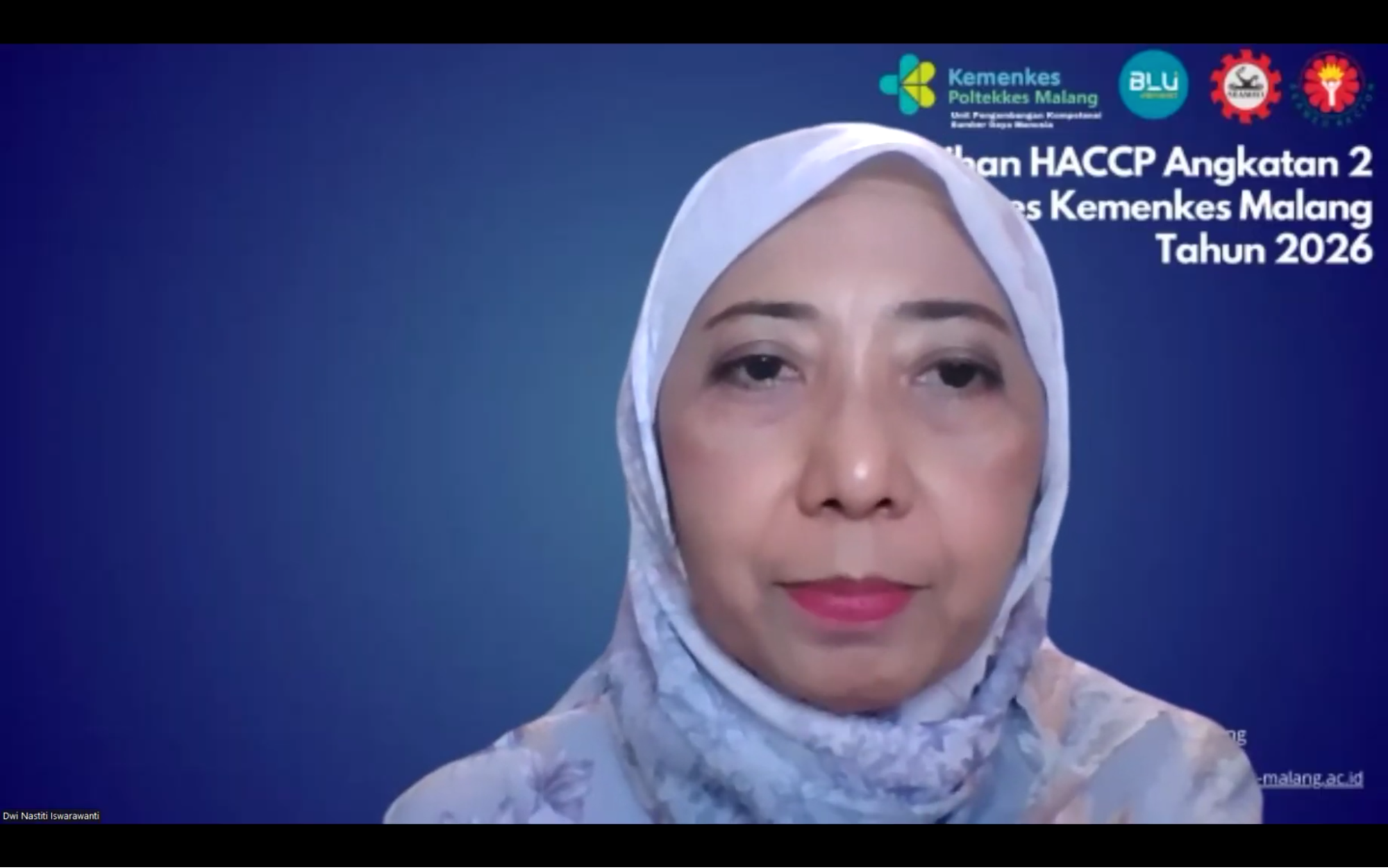
As part of SEAMEO RECFON’s contribution to the training, Dr. Dwi Nastiti Iswarawanti, Acting Deputy Director for Program of the SEAMEO RECFON, served as one of the course coordinator and key speakers. During the training, she delivered several sessions covering Concepts and Issues in Food Safety, Seven Principles of HACCP, and Preparation of HACCP Design Documents and Follow-up Action Plans. These sessions provided participants with both conceptual understanding and practical guidance on food safety risk analysis and HACCP documentation development.
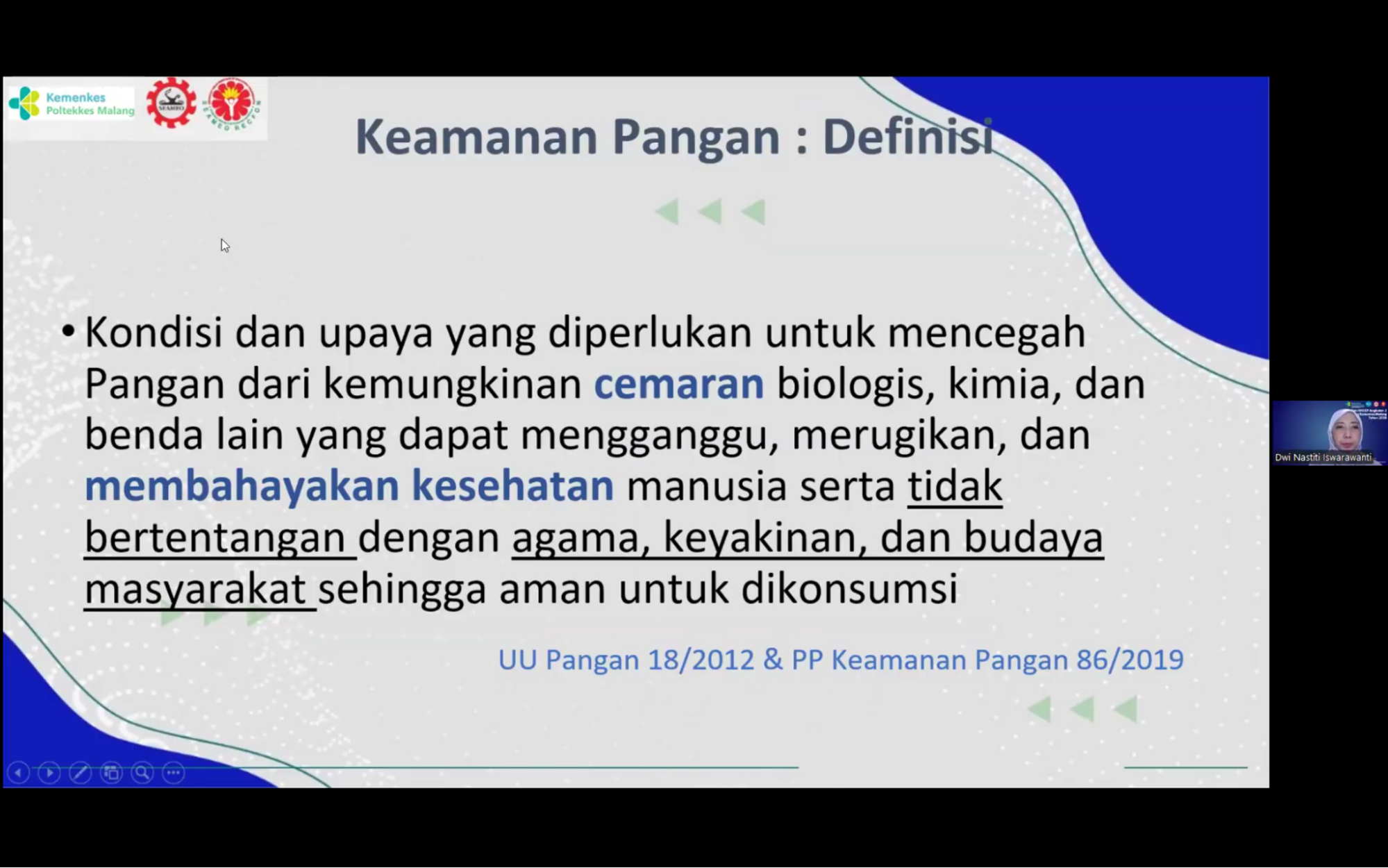
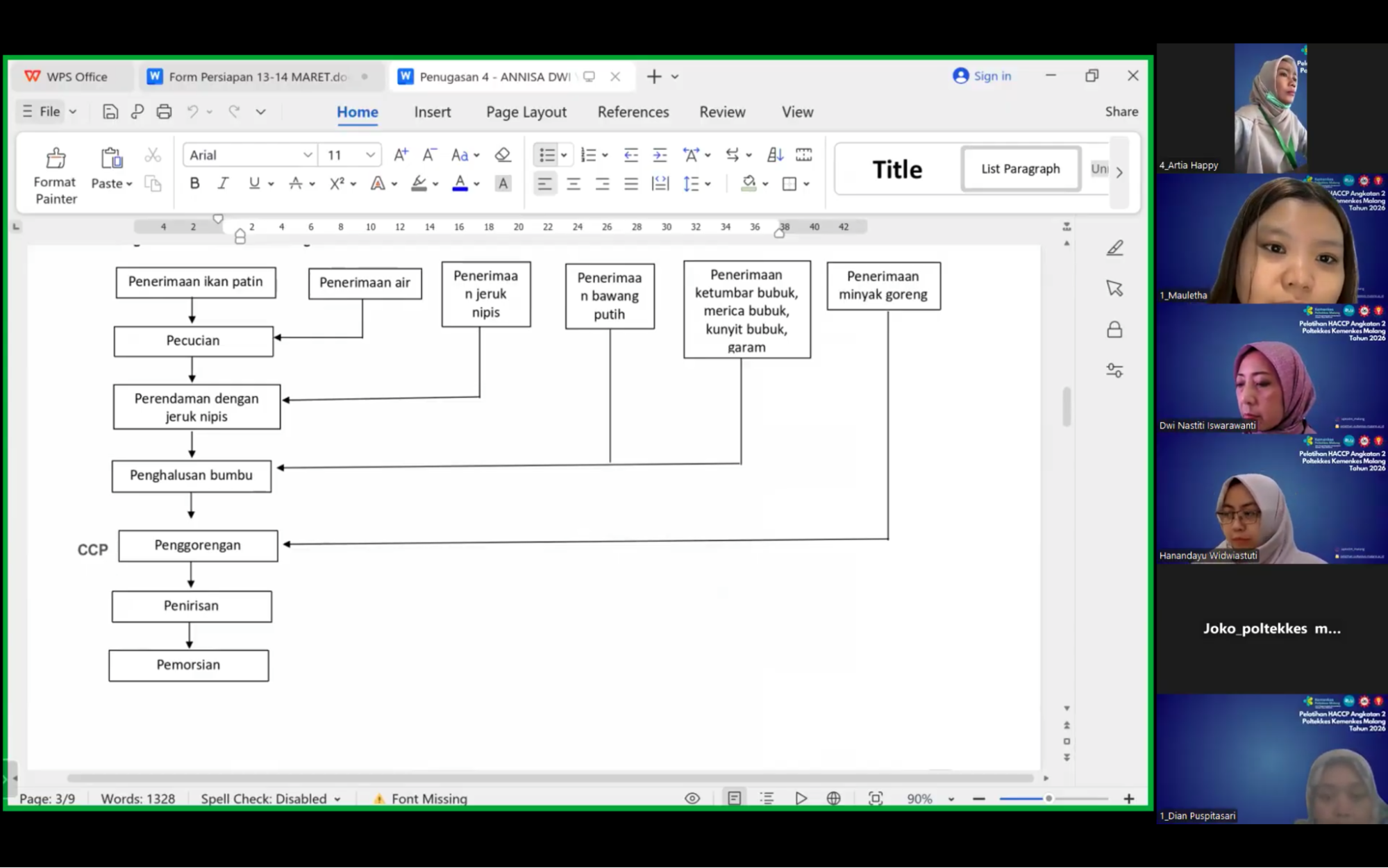
In addition to theoretical discussions, the training also emphasized applied learning through case studies and assignments. Participants worked collaboratively to analyze food safety hazards, develop Standard Sanitation Operating Procedures (SSOP), and prepare HACCP design documents, gaining hands-on experience in applying HACCP principles to real-world situations. The program was conducted fully online through platforms such as Zoom Meeting, Google Forms, and the Plataran Sehat Learning Management System (LMS), where participants actively engaged in sessions and completed assignments and presentations to obtain certification.

Through this initiative, SEAMEO RECFON reaffirmed its commitment to strengthening regional capacity in food safety and nutrition. The collaboration with Poltekkes Kemenkes Malang is expected to further support the implementation of international food safety standards and contribute to safer food systems across Indonesia.