
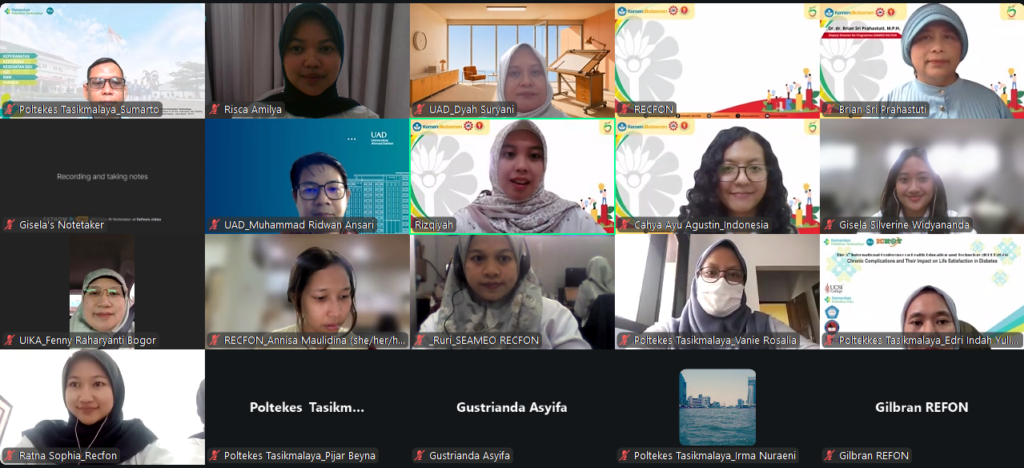
Jakarta, 2 November 2026 — SEAMEO RECFON is strengthening preparations for the institutionalisation of the Nutrition Goes to School (NGTS) Programme in madrasahs and Islamic boarding schools through a Pre-Workshop on Strengthening the Healthy Madrasah and Islamic Boarding School Model. Held online on Monday, 26 October 2026, the event served as a coordination forum between SEAMEO RECFON and its academic partners to assess the readiness of educational institutions, identify areas requiring further support, and formulate mentoring strategies to ensure the programme’s sustainability in 2027.
The event brought together academic partners from Universitas Ahmad Dahlan (UAD) Yogyakarta, Universitas Ibn Khaldun (UIKA) Bogor, and the Tasikmalaya Health Polytechnic of the Ministry of Health. Discussions focused on the progress of NGTS implementation in their respective mentoring areas, challenges encountered, and the support needed to enable madrasahs and Islamic boarding schools to independently sustain the programme.
Promoting an Integrated and Sustainable Nutrition Programme
In her opening remarks, SEAMEO RECFON Deputy Director of Programme, Dr. dr. Brian Sri Prahastuti, M.P.H., emphasised the importance of orienting the mentoring process towards its intended outcomes, particularly the integration of the NGTS Programme into the systems and policies of educational institutions.
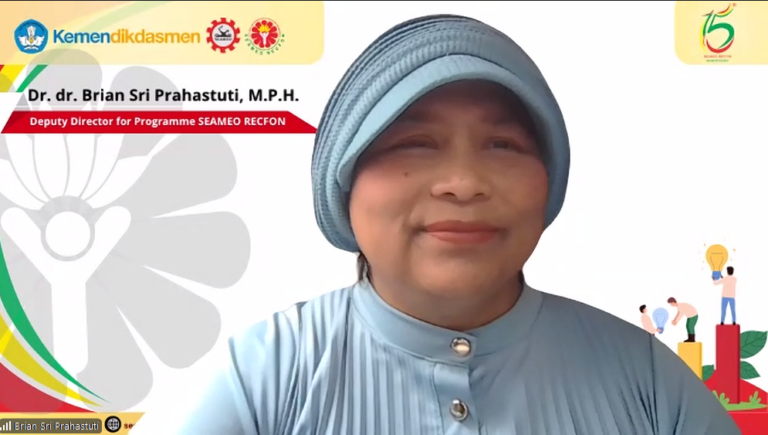
“Our mindset, including that of our academic partners, needs to shift so that we do not become too focused on the process. Instead, our orientation must move towards outcomes or results,” said Dr. dr. Brian Sri Prahastuti, M.P.H.
She further explained that follow-up action plans should be developed by using the desired end results as the primary reference, which can then be translated into measurable targets and implementation stages.
“How can we ensure that the ultimate goal, namely the institutionalisation of the programme in the schools or madrasahs we support, is achieved? This must be our main target. We then need to work backwards from that goal when developing the follow-up action plan (RTL), with milestones established for each year,” she explained.
This approach is expected to help madrasahs and Islamic boarding schools progress towards institutionalisation while creating opportunities to extend good practices to other educational institutions in surrounding areas.
Mapping Readiness for Institutionalisation

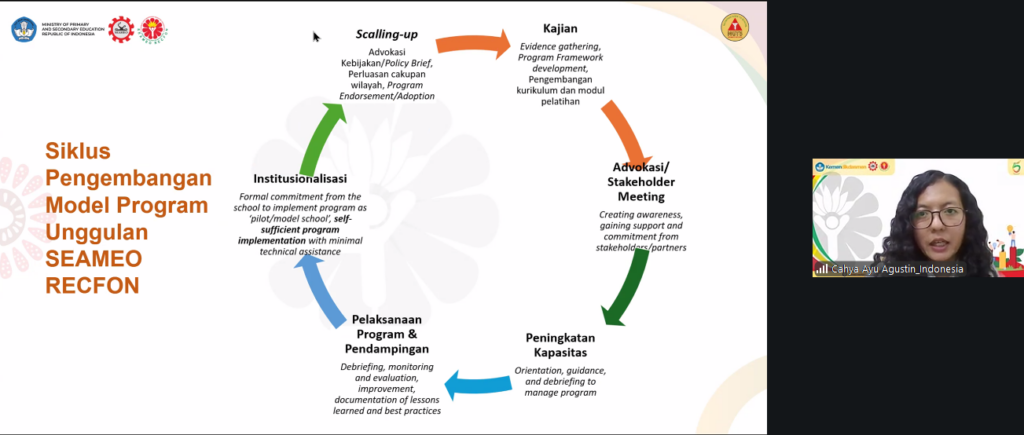
In presenting the direction for the development of the NGTS model, Cahya Ayu Agustin, S.Gz., M.Gizi., Head of SEAMEO RECFON’s Community Development Division, explained that institutionalisation refers to the stage at which an educational institution is able to integrate the programme into its internal systems or policies, enabling implementation to continue without intensive mentoring from SEAMEO RECFON and its academic partners.
Readiness is assessed through two main aspects: commitment and monitoring and evaluation. The commitment aspect covers the establishment of an NGTS team, integration of the programme into annual planning, implementation of at least two programme components, regular activity schedules, and partnerships with relevant stakeholders.
Meanwhile, the monitoring and evaluation aspect emphasises the importance of regularly tracking progress against follow-up action plans and documenting programme achievements. Reporting and communication with local stakeholders are also essential to building support for the programme’s sustainability.
These criteria serve as an initial reference for mapping the current conditions of each participating madrasah and Islamic boarding school. Nevertheless, their application should take into account local contexts and the specific characteristics of each educational institution.
Learning from Experiences in Three Mentoring Areas
Discussions with academic partners provided insights into both the progress and challenges of NGTS implementation in Yogyakarta, Tasikmalaya, and Bogor.
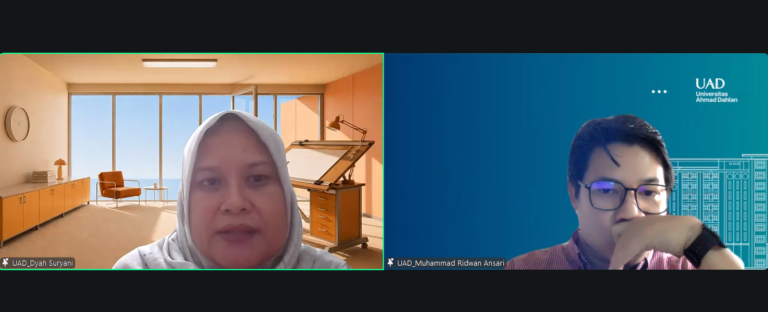
In Yogyakarta, Universitas Ahmad Dahlan reported that it has been providing mentoring support to 15 madrasahs since 2023, with one additional madrasah joining in 2026. The mentoring experience has shown that the commitment of madrasah principals and teacher involvement are essential factors in maintaining consistent programme implementation. Changes in leadership also present a challenge, as they require renewed orientation and efforts to strengthen understanding of the NGTS Programme.
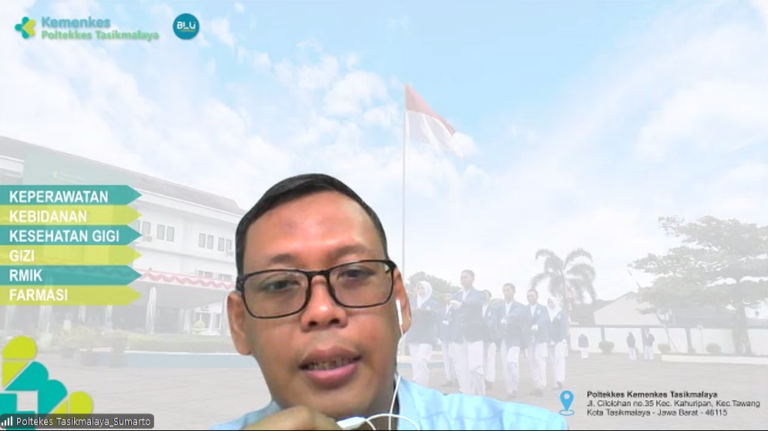
In Tasikmalaya, the Tasikmalaya Health Polytechnic of the Ministry of Health shared updates on NGTS implementation at Amanah Muhammadiyah Islamic Boarding School. Various activities have been carried out, including nutrition education, the development of school gardens and fish ponds, healthy canteens, as well as nutrition and entrepreneurship initiatives. However, several areas still require further strengthening, including garden maintenance, consistent student participation, healthy canteen management, and the completeness of documentation and reporting to relevant stakeholders.
Meanwhile, Universitas Ibn Khaldun Bogor shared its mentoring experience at Darul Falah Islamic Boarding School. Activities conducted have included health education, food safety initiatives, observations of food service operations, and the utilisation of the school’s vegetable garden. The academic partner also identified the need to renew coordination to follow up on previous activities and strengthen the continuity of the mentoring process.
These experiences highlight that each educational institution has different readiness levels and characteristics. Therefore, mentoring strategies need to be tailored to the achievements, needs, capacities, and available support in each area.
Strengthening Collaboration and Follow-up Action Plans
Through this pre-workshop, SEAMEO RECFON and its academic partners are preparing for the next stage: a joint workshop with the participating madrasahs and Islamic boarding schools. The forum is intended to validate the mapping results, discuss gaps between current conditions and the institutionalisation criteria, and formulate the support required by each educational institution.
The subsequent mentoring process is expected to go beyond meeting specific indicators. It will also focus on strengthening internal capacities so that programmes can continue in accordance with the needs of each educational institution. Partner support may take various forms, including technical assistance, resource sharing, partnership development, and advocacy among stakeholders at both local and national levels.
Documenting good practices is also an important part of this process. Experiences from madrasahs and Islamic boarding schools that have successfully developed and independently sustained their programmes can serve as valuable learning resources for other educational institutions, while also providing insights for model development and policy recommendations.
Through sustained collaboration, SEAMEO RECFON and its academic partners aim to support madrasahs and Islamic boarding schools not only in implementing nutrition promotion activities but also in integrating healthy living practices into their governance systems and daily educational activities. Preparations for institutionalisation in 2027 mark an important step towards strengthening the sustainability of the NGTS Programme and creating opportunities to extend good practices to more educational institutions.