19 February 2026
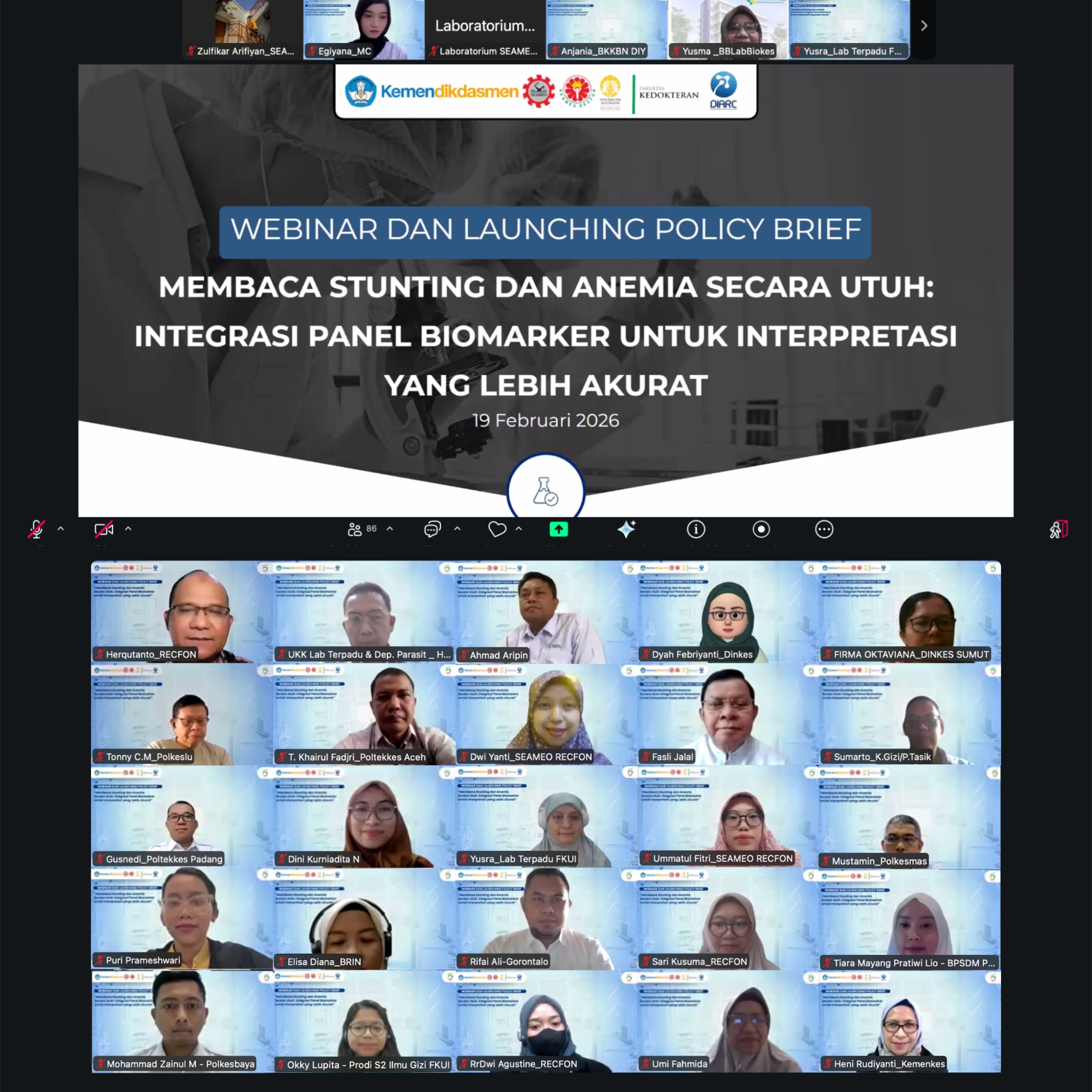
The webinar and policy brief launch titled “Understanding Stunting and Anemia Holistically: Integrating Biomarker Panels for More Accurate Interpretation” was organized on 19 February 2026 via Zoom Meeting to strengthen stakeholders’ understanding of the importance of biomarkers in assessing nutritional status and informing evidence-based policy in Indonesia. The event gathered around 250 participants from various institutions and sectors nationwide and was part of the 15th Anniversary celebration of SEAMEO RECFON. The event also marked the launch of the policy brief “Indonesia Nutrition Survey (SGI) 2026”, which aims to support national efforts in strengthening nutrition surveillance and policy development. The policy brief can be accessed at (insert link).
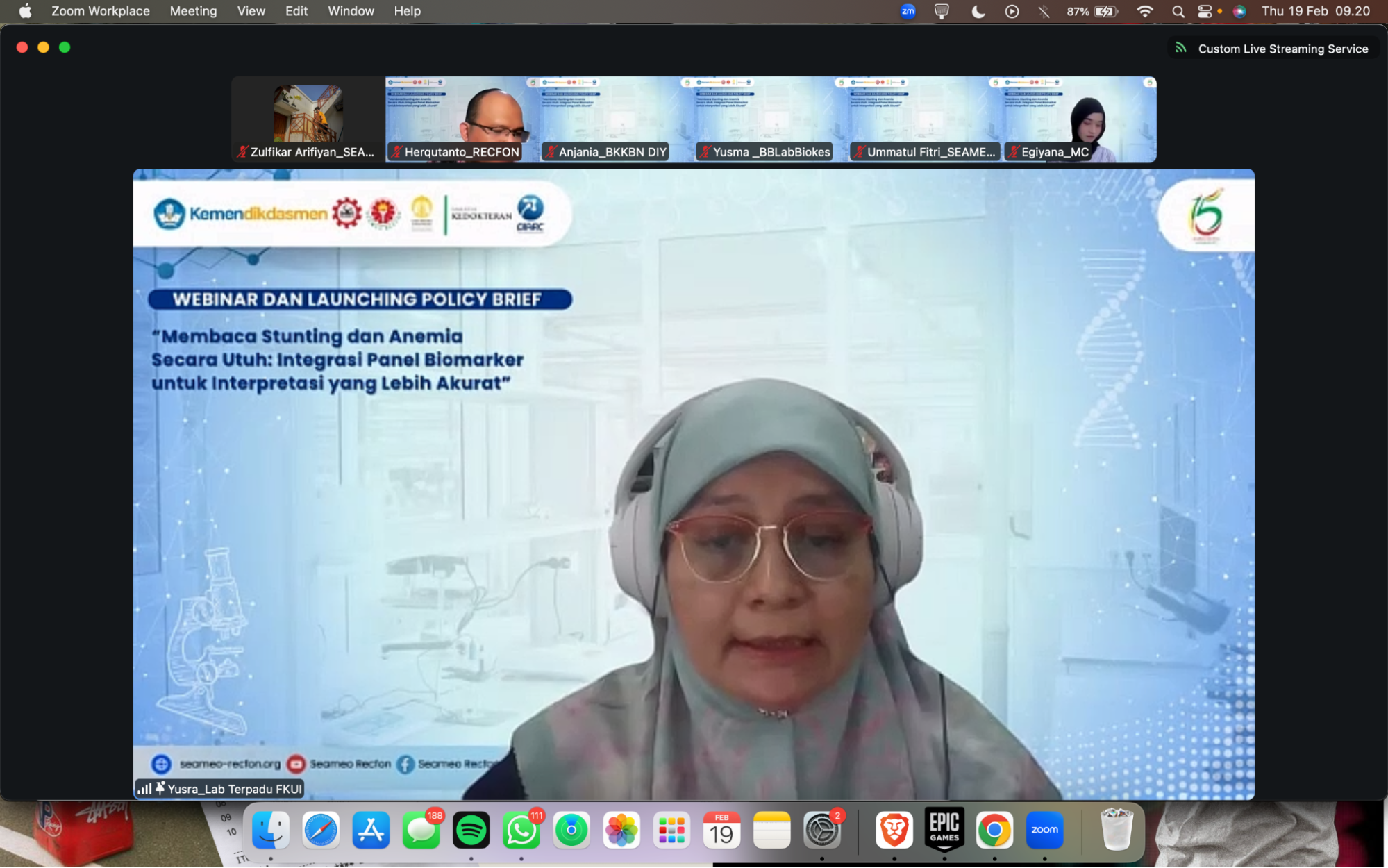
In his opening remarks, Dr. dr. Herqutanto, MPH., MARS., Sp.KKLP, Acting Director of SEAMEO RECFON, highlighted the need for a comprehensive approach to address stunting and anemia in Indonesia, including the integration of nutrition biomarkers. He also acknowledged SEAMEO RECFON’s collaboration with the Integrated Laboratory of the Faculty of Medicine, Universitas Indonesia, and expressed appreciation to Prof. dr. Yusra, Sp.PK(K), Ph.D, Head of the Clinical Pathology Expert Working Group (UKK PPM) at the Integrated Laboratory, Faculty of Medicine, Universitas Indonesia, for the continued partnership.

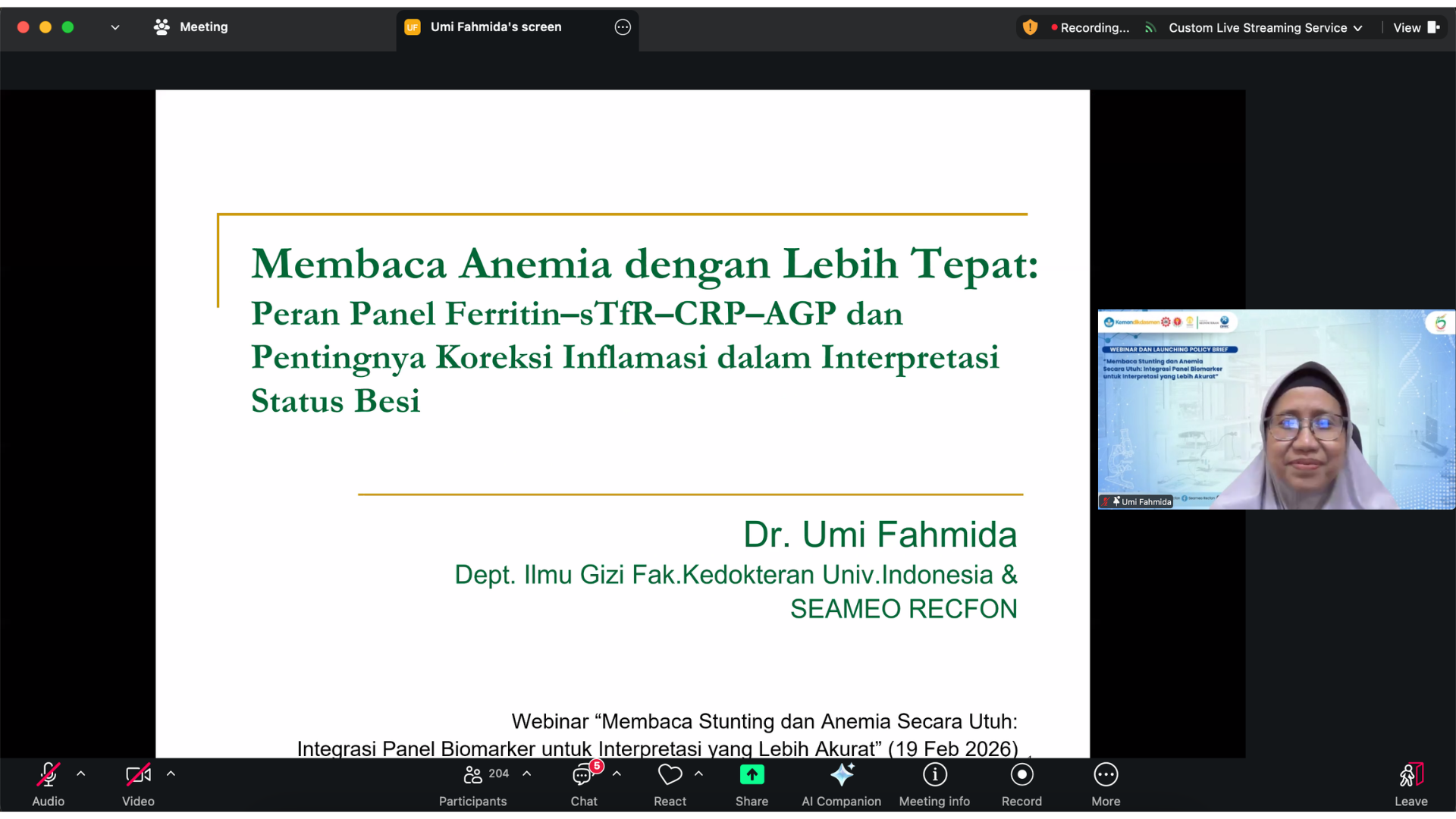
Dr. Ir. Umi Fahmida, M.Sc., Expert at SEAMEO RECFON, explained that anemia and iron deficiency are complex nutrition problems and cannot be accurately assessed using a single indicator such as hemoglobin. She highlighted that serum ferritin and soluble transferrin receptor (sTfR) help describe the spectrum of iron status, while C-reactive protein (CRP) and alpha-1-acid glycoprotein (AGP) are needed to adjust for the effects of subclinical inflammation on these biomarkers. She highlighted that adjusting for inflammation using approaches such as Thurnham and BRINDA is essential to ensure accurate interpretation of iron status biomarkers and to support evidence-based nutrition policies and programs.
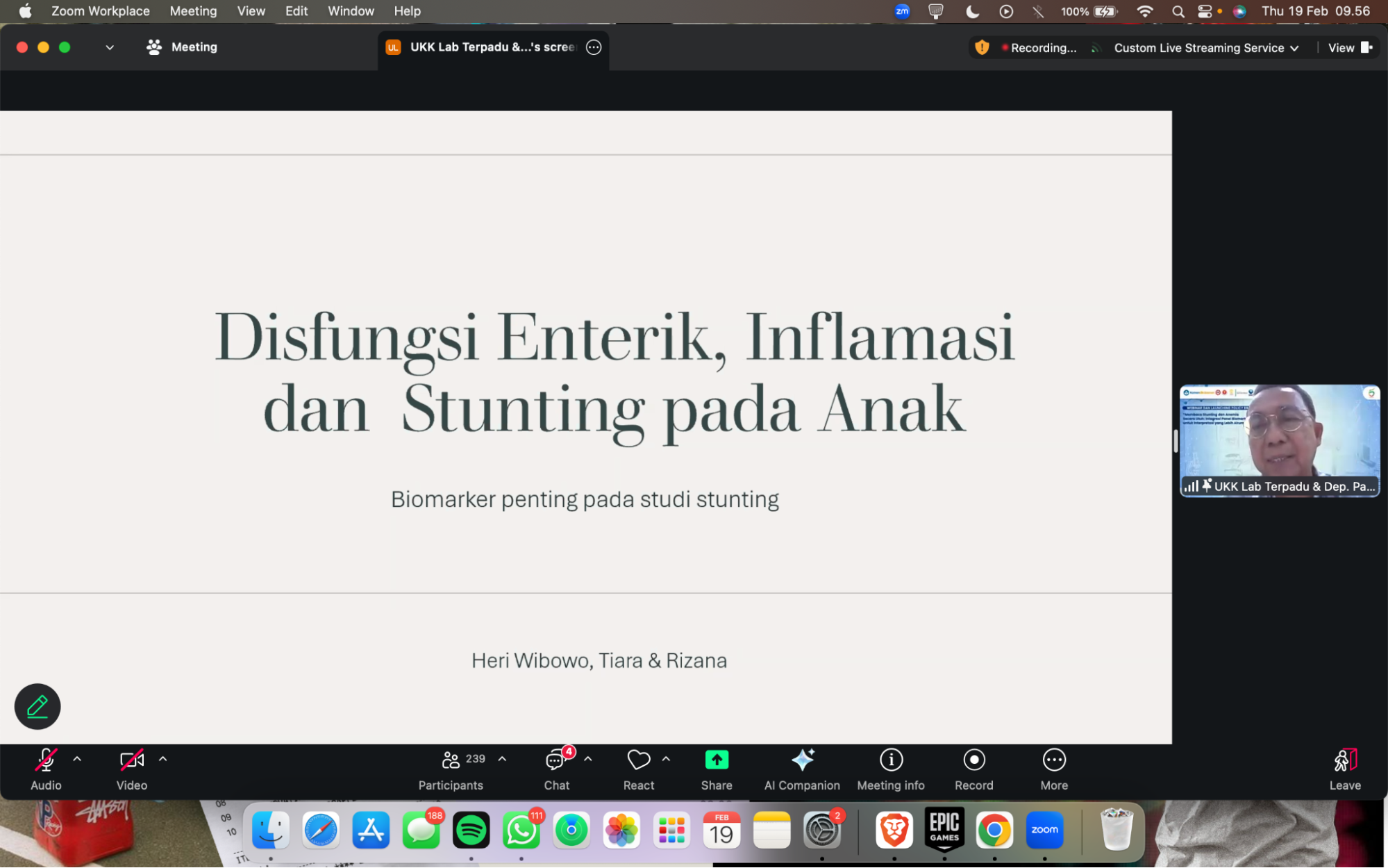
Dr. Drs. Heri Wibowo, M.Biomed., Coordinator of Research and Business Development at the Integrated Laboratory FKUI, elaborated on the biological mechanisms linking stunting with Environmental Enteric Dysfunction (EED). He explained that chronic inflammation may impair child growth through disrupted protein metabolism, reduced nutrient absorption, and impaired bone formation. The EED biomarker panel includes indicators of intestinal permeability, local and systemic inflammation, and epithelial damage. Assessing EED biomarkers was highlighted as a critical missing link between undernutrition, chronic inflammation, and growth failure.
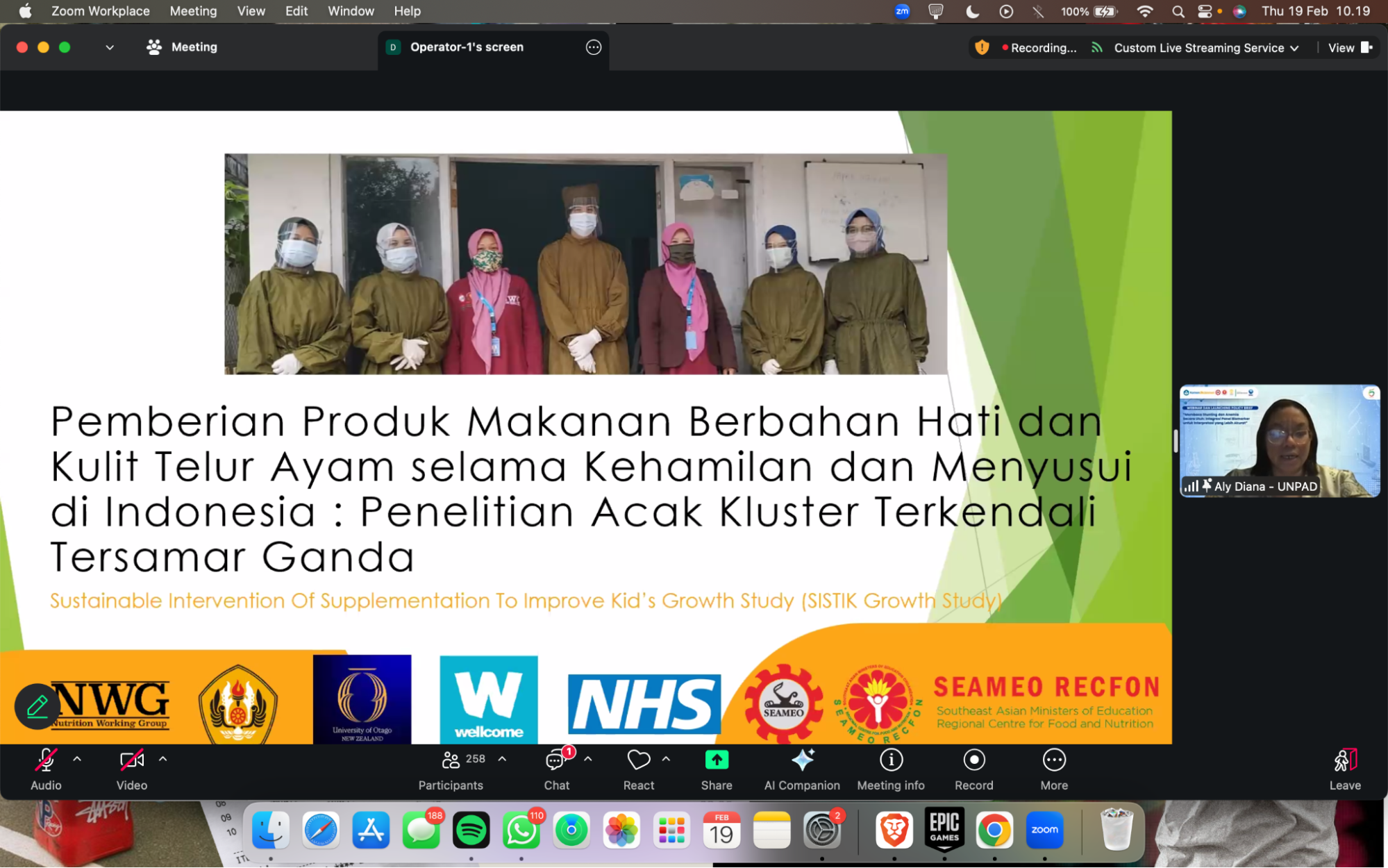
Dr. Aly Diana, from the Department of Nutrition, Faculty of Medicine, Universitas Padjadjaran, shared research experiences on the use of integrated biomarker panels in maternal and child nutrition studies, which enable simultaneous measurement of multiple indicators with minimal biological sample volume. She emphasized the importance of validation, standardization, and quality control, as well as the need to consider regulatory and logistical aspects in biomarker research. In addition, Dr. dr. Herqutanto reaffirmed the importance of integrating micronutrient biomarkers into the Indonesia Nutrition Survey 2026, supported by a centralized laboratory system, to strengthen evidence-based policymaking and more targeted nutrition intervention planning.
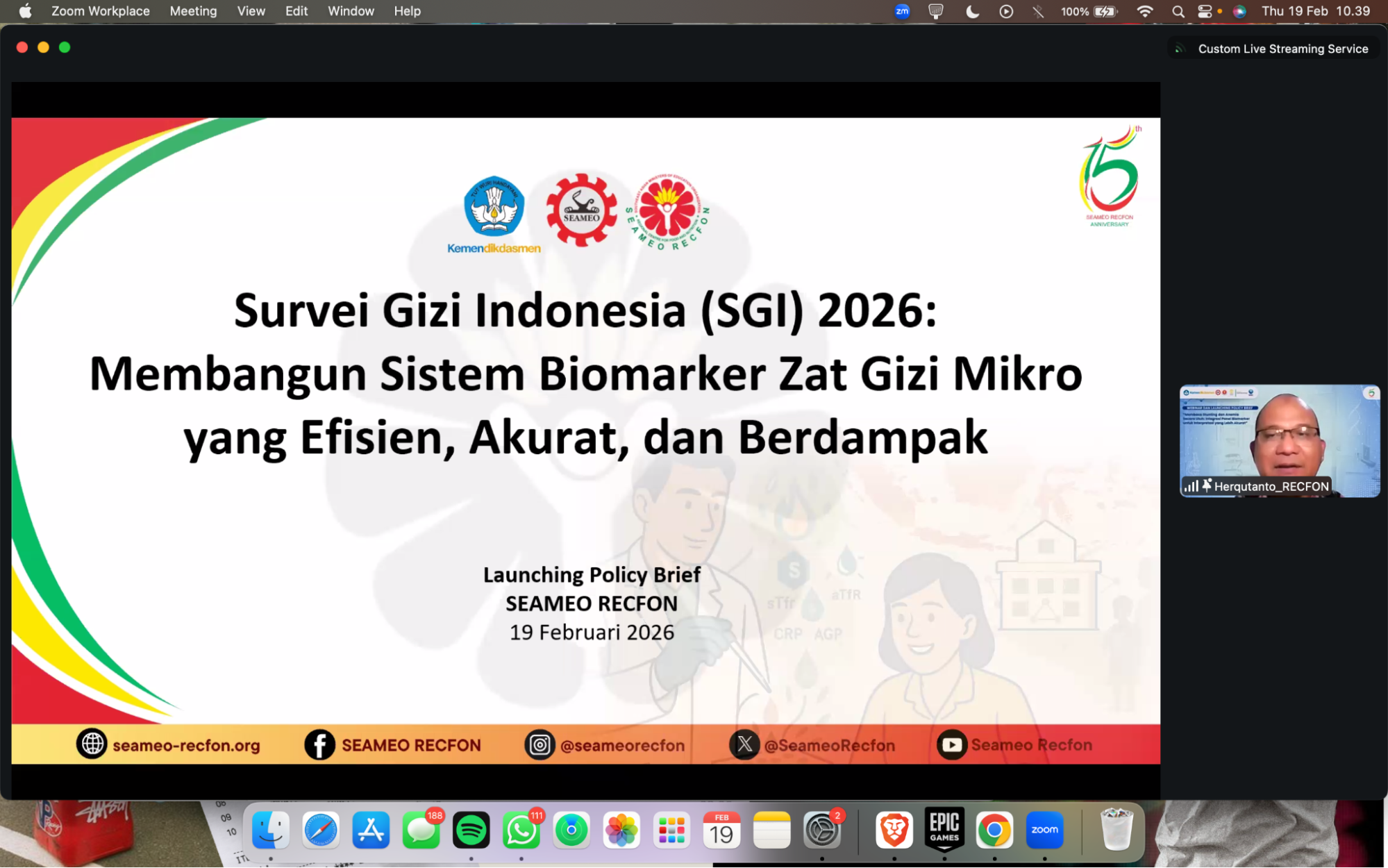
A policy brief discussion session was delivered by Dwi Puspasari, S.KM., M.Sc., Acting Head of the Center for Health Policy on Health Efforts, Agency for Health Policy Development (BKPK), Ministry of Health of the Republic of Indonesia. She provided reflections on the policy brief “Indonesia Nutrition Survey (SGI) 2026: Building an Efficient, Accurate, and Impactful Micronutrient Biomarker System” and highlighted its relevance in strengthening national nutrition surveillance and evidence-based policymaking.
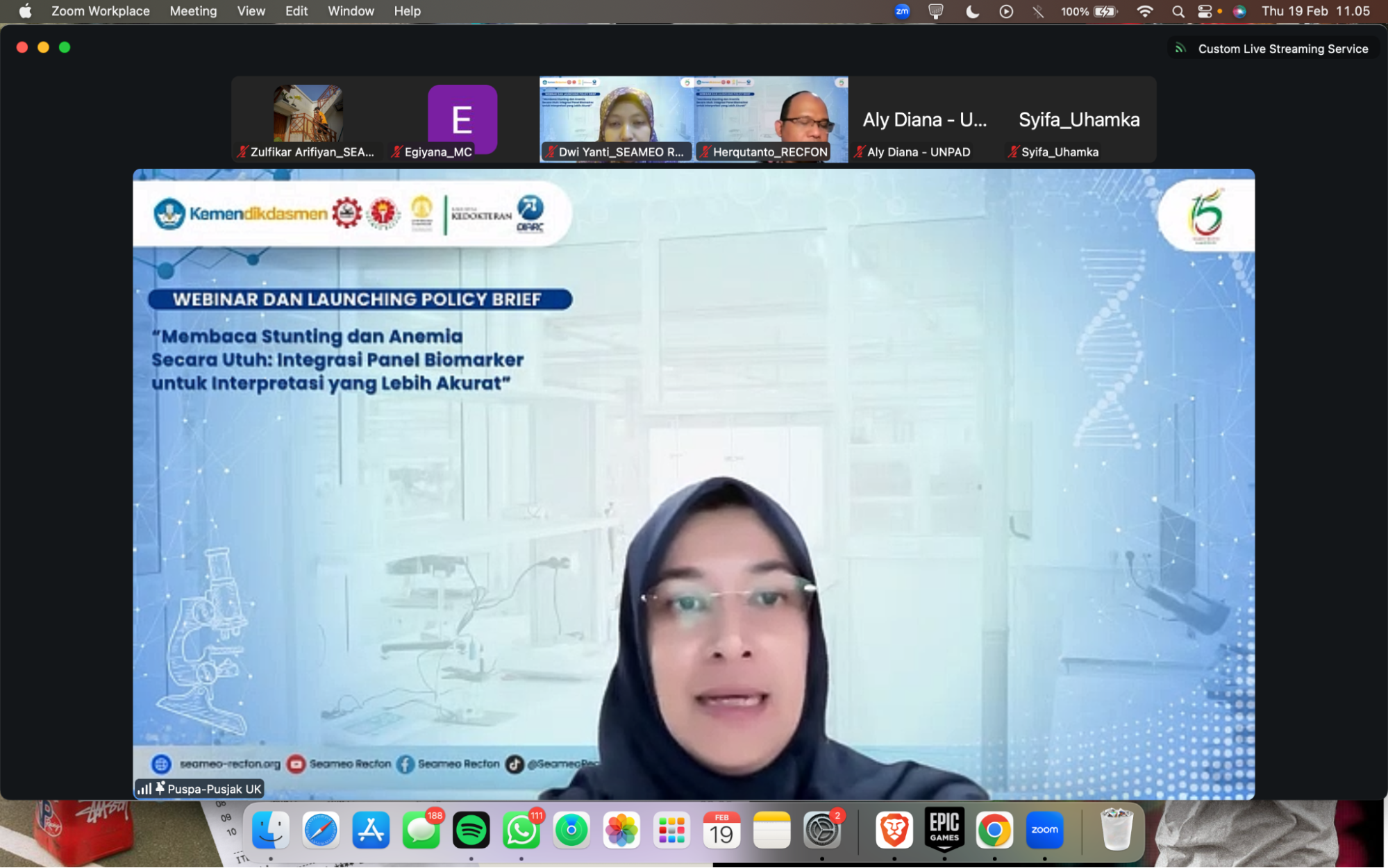
The discussion session demonstrated strong interest and active engagement from participants, who shared questions, reflections, and practical insights on the use of integrated biomarker panels in nutrition research and policy. Participants highlighted both opportunities and implementation challenges, and expressed positive feedback on the webinar and policy brief as timely and useful resources to support evidence-based nutrition programming and policy development.

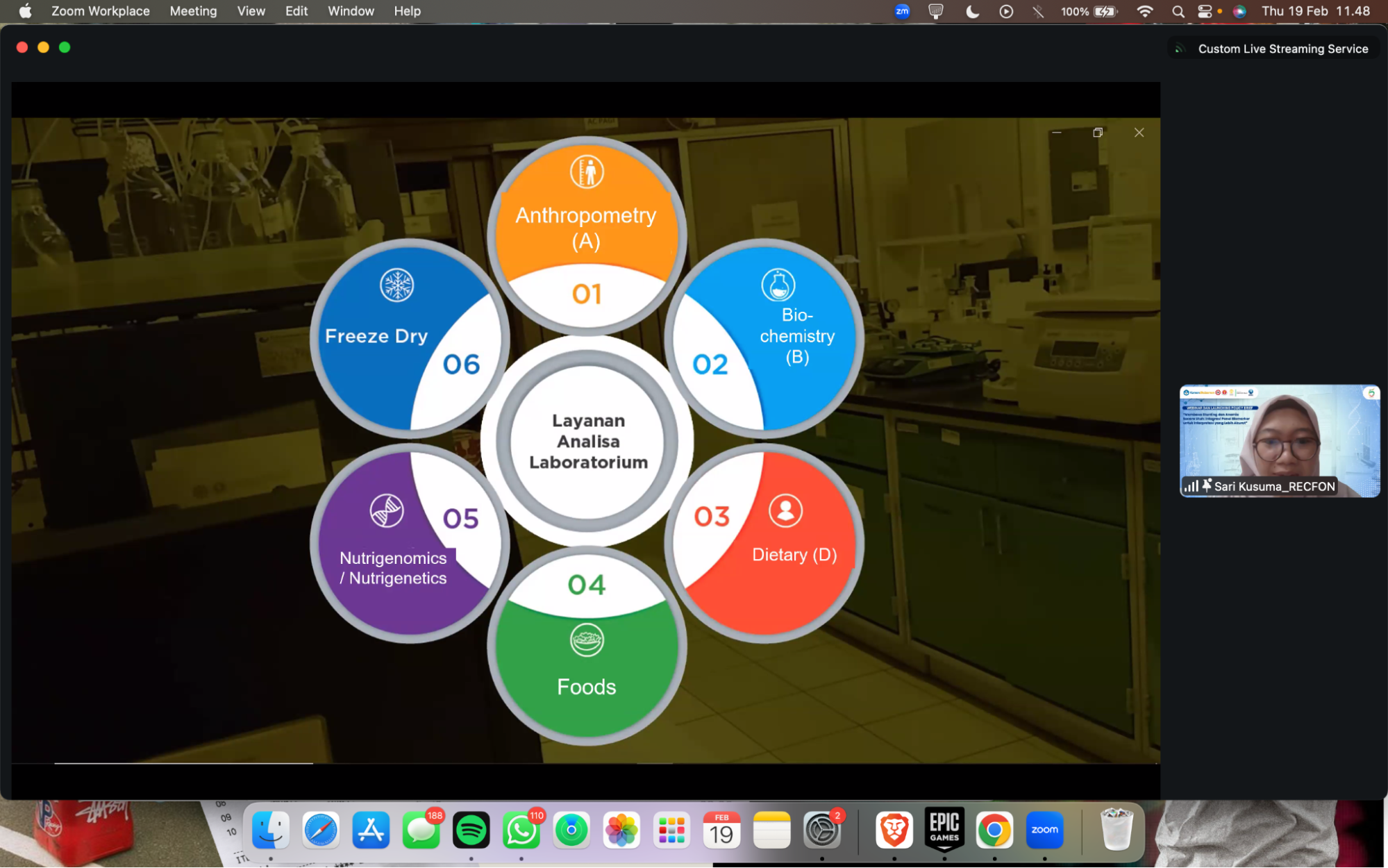
Aligned with SEAMEO RECFON’s mandate, Sari Kusuma, M.Gizi., Head of the Laboratory Division, presented the integrated services of the SEAMEO RECFON Laboratory, ranging from anthropometry and biochemistry to food analysis and nutrigenomics, and highlighted opportunities for collaboration to strengthen nutrition surveillance and policy development in Indonesia and Southeast Asia. Through this event, SEAMEO RECFON reaffirmed its commitment to strengthening the national nutrition surveillance system through the use of biomarkers and cross-institutional collaboration.