
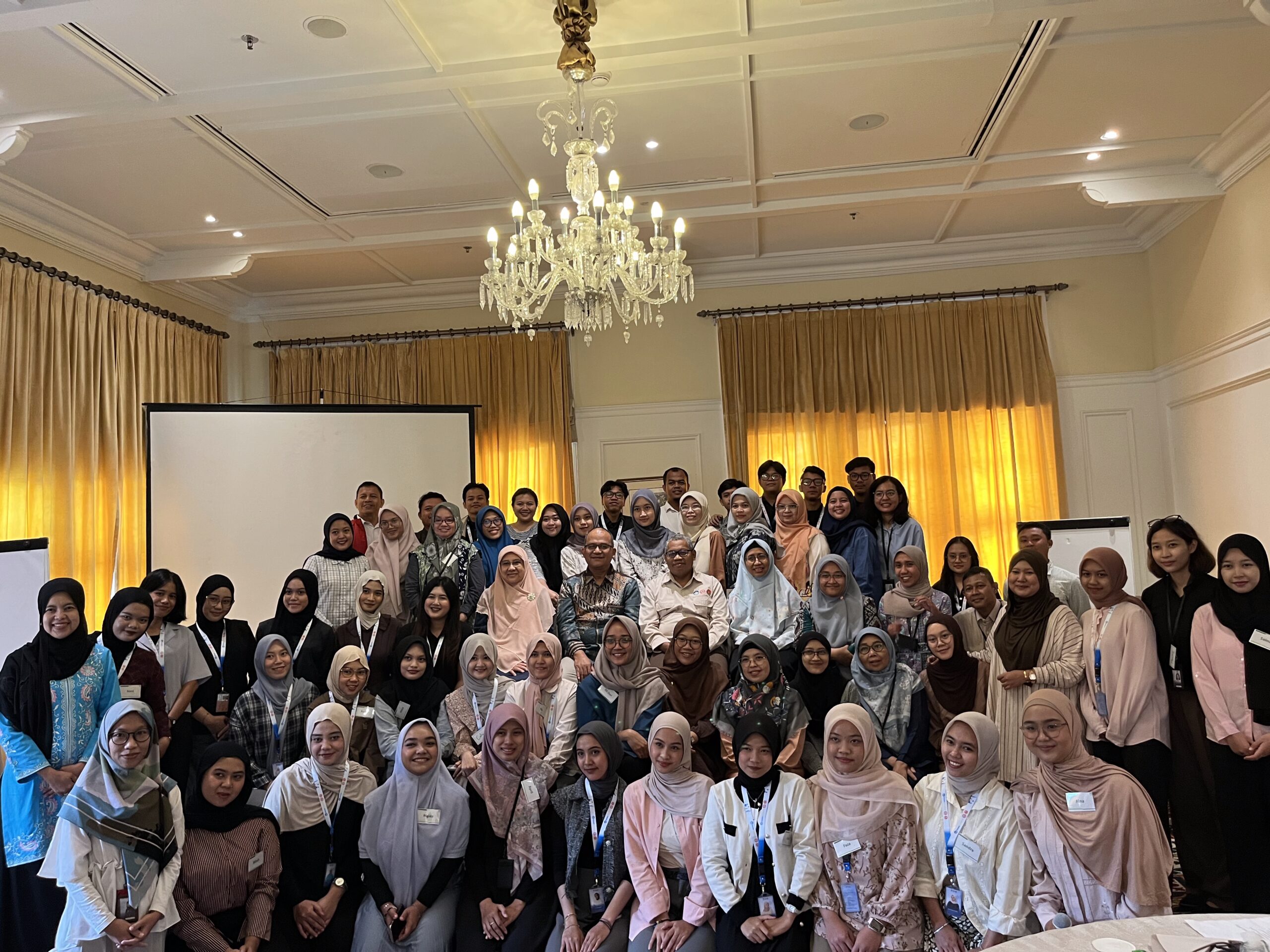
Jakarta, 11 - 13 February 2025
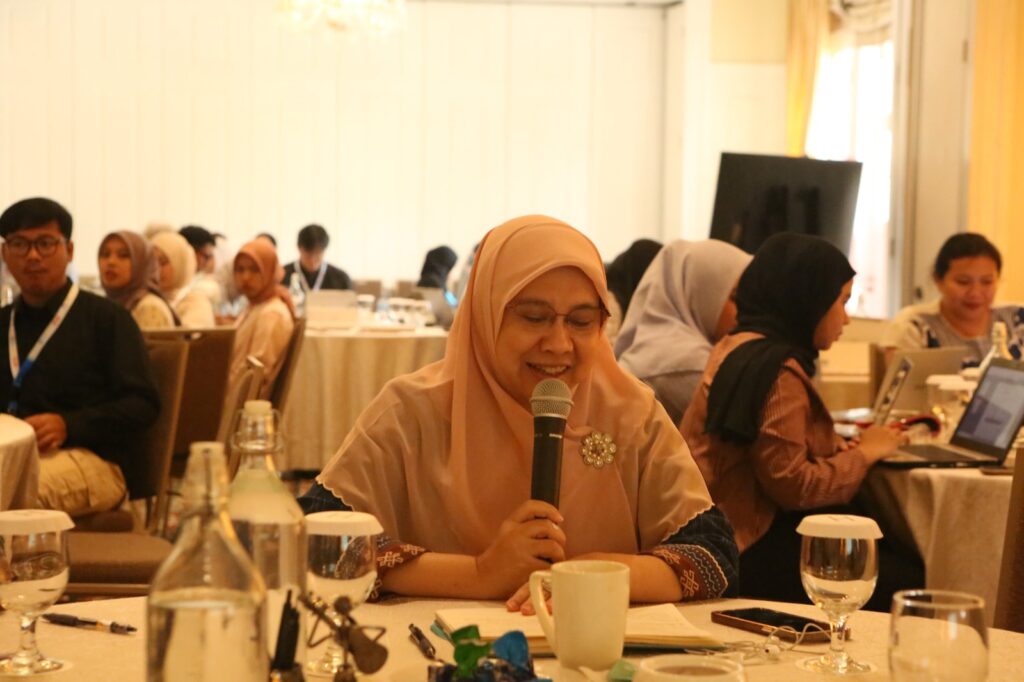
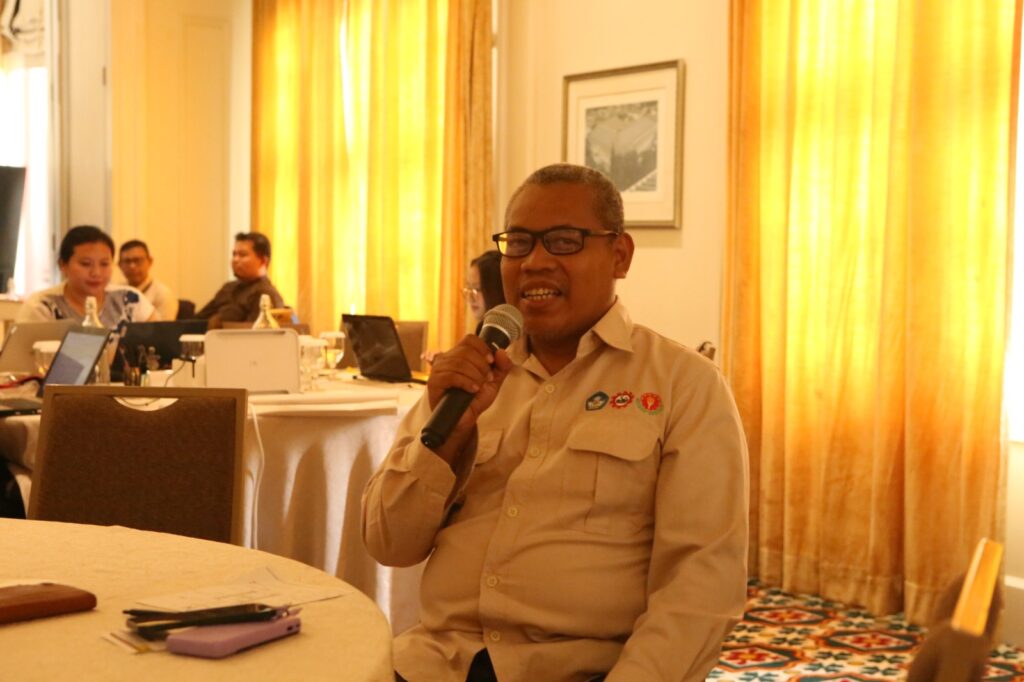
Supporting the productivity and well-being of workplaces, SEAMEO RECFON held the Nutrition Goes To Workplace (NGTW) event on 11-13 February 2026 at The Hermitage, a Tribute Portfolio Hotel, Jakarta. The training was attended by 53 participants, consisting of staff and interns from the MagangHub Kemnaker Batch 2 program. Through interactive sessions, the training highlighted the importance of balanced nutrition, active lifestyles, and regular physical activity in enhancing daily performance at work. Participants were encouraged to build healthier habits that support both their productivity and overall well-being.
In his opening remarks, Dr. Zainun Misbah, MSc, Acting Deputy Director of Administration at SEAMEO RECFON, highlighted the importance of fostering a scientific-based healthy work culture through collaboration. Dr. Zainun Misbah, MSc, added that this synergy is crucial for SEAMEO RECFON to maximize impact and performance in the food and nutrition sector.
Strengthening Commitment: Understanding Lifestyle Patterns and the Risk of Non-Communicable Diseases
This series of activities began with an introductory training session by Raden Roro Dwi Agustine, M.Gizi. and Building Learning Commitment (BLC) led by Dr. Zainun Misbah, MSc. This session provided an opportunity for participants to reflect, share their vision, and build a constructive atmosphere for discussion throughout the training.
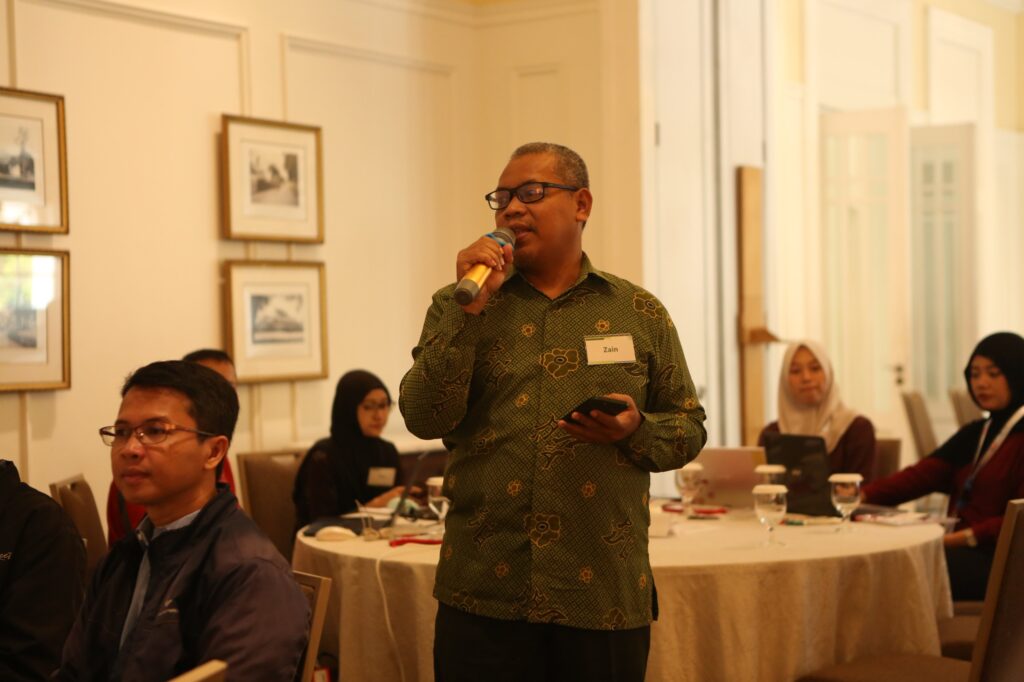
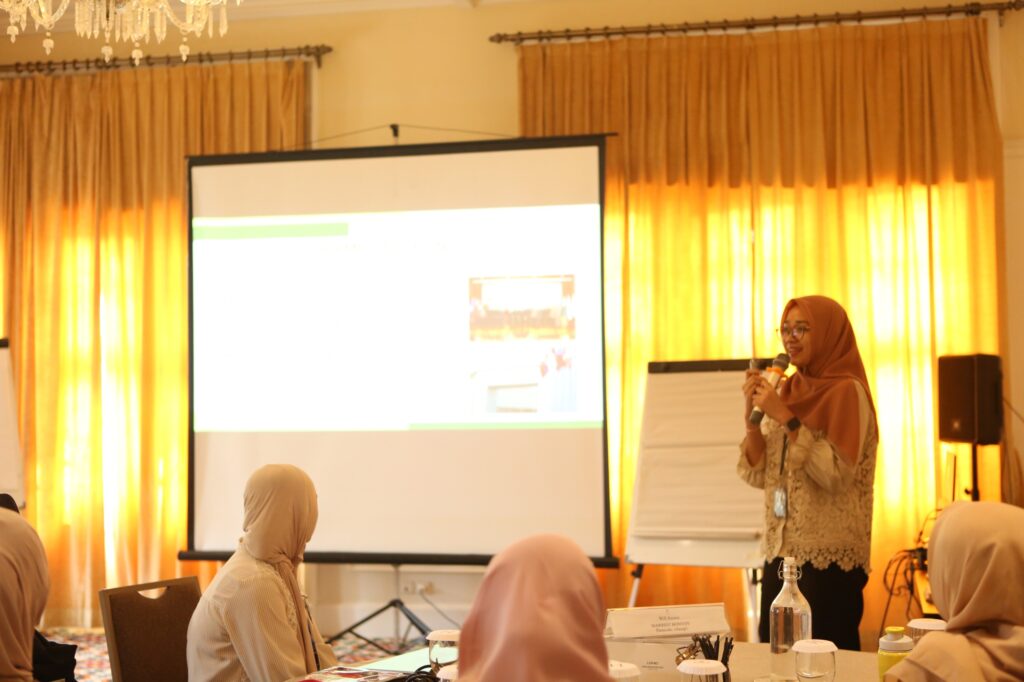
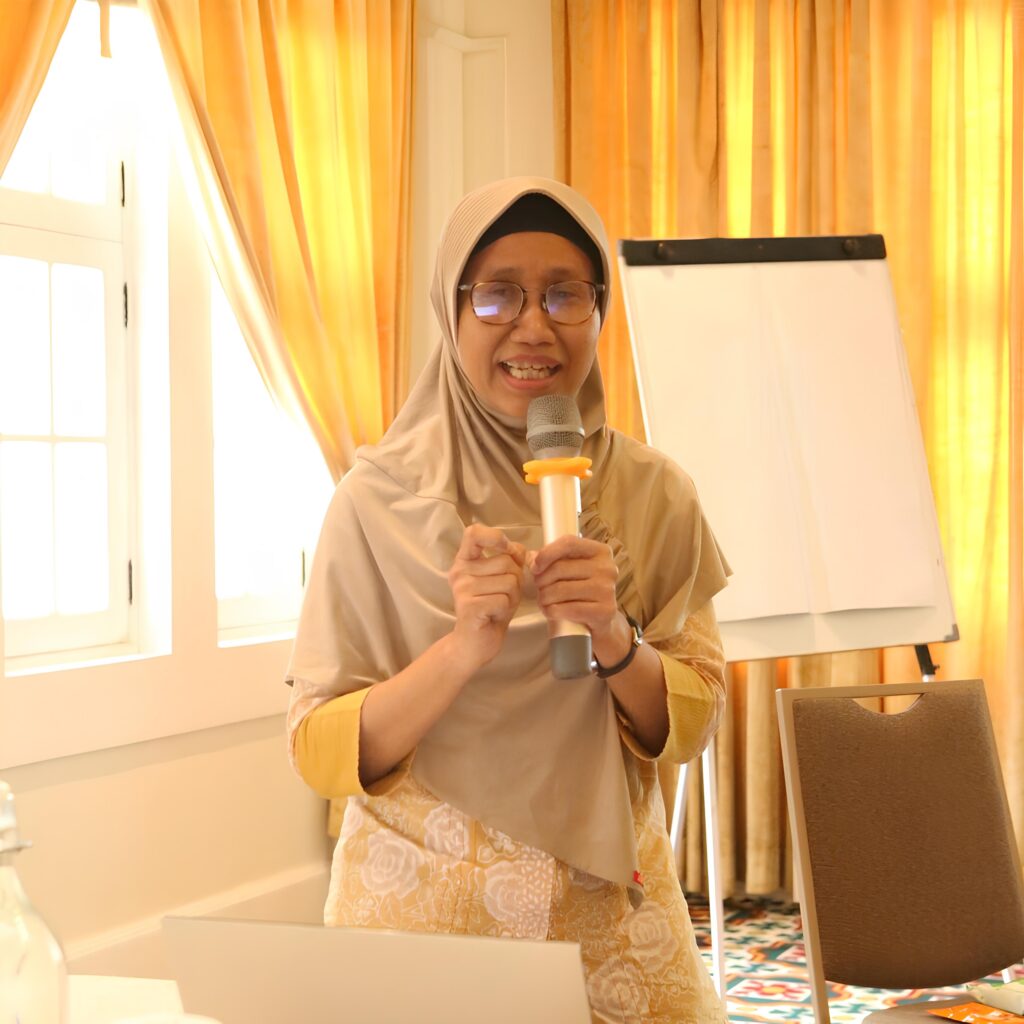
The session began with Ir. Helda Khusun, M.Sc, Ph.D presenting on the urgency of health issues through the topic “Nutrition Problems, Their Impact on Non-Communicable Diseases (NCDs), and Prevention Efforts.” The topic highlighted the phenomenon of nutritional transition in adults, which has become a challenge. She explained in detail how dietary and lifestyle changes contribute directly to the surge in NCD cases, which ultimately affect productivity.
In addition to discussing risks, this session also highlighted the importance of identifying risk factors for the double burden of malnutrition and the vital role of a healthy food environment in the workplace.
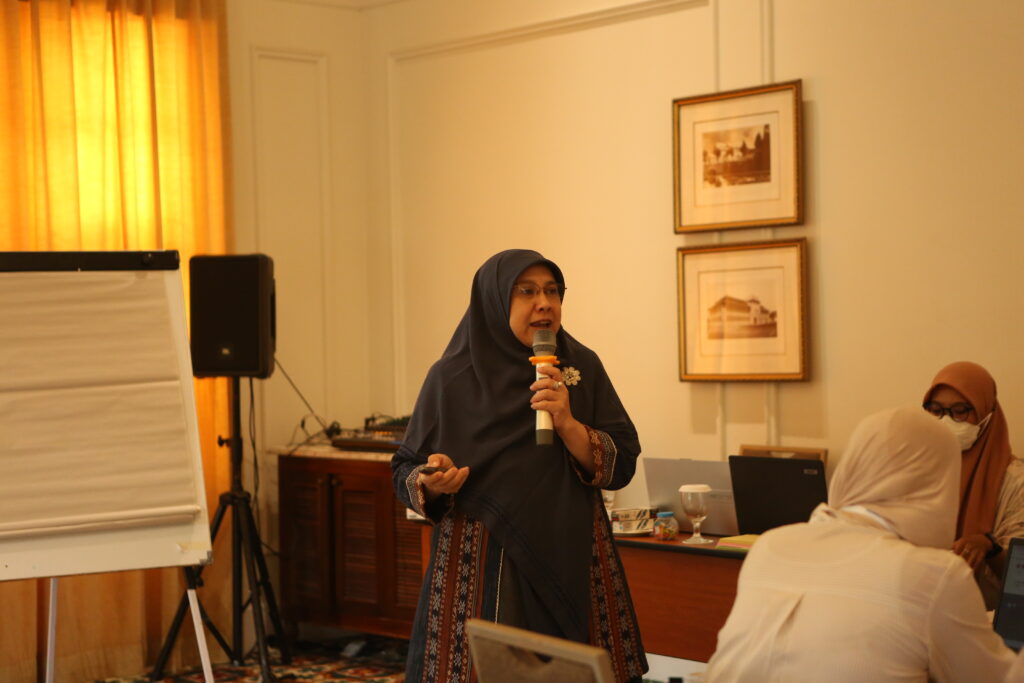
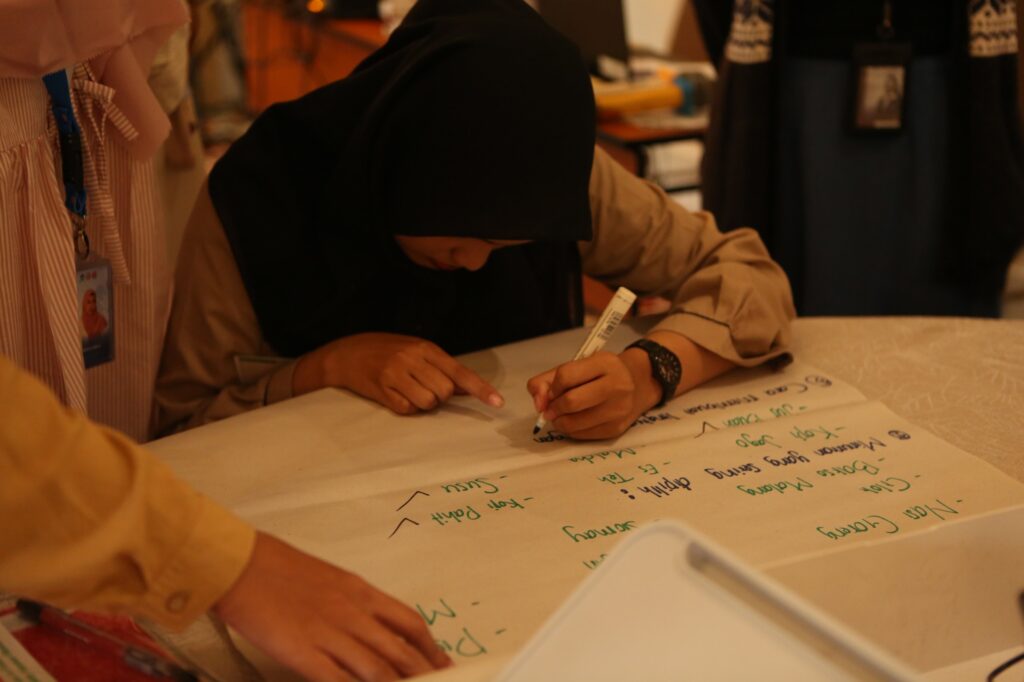
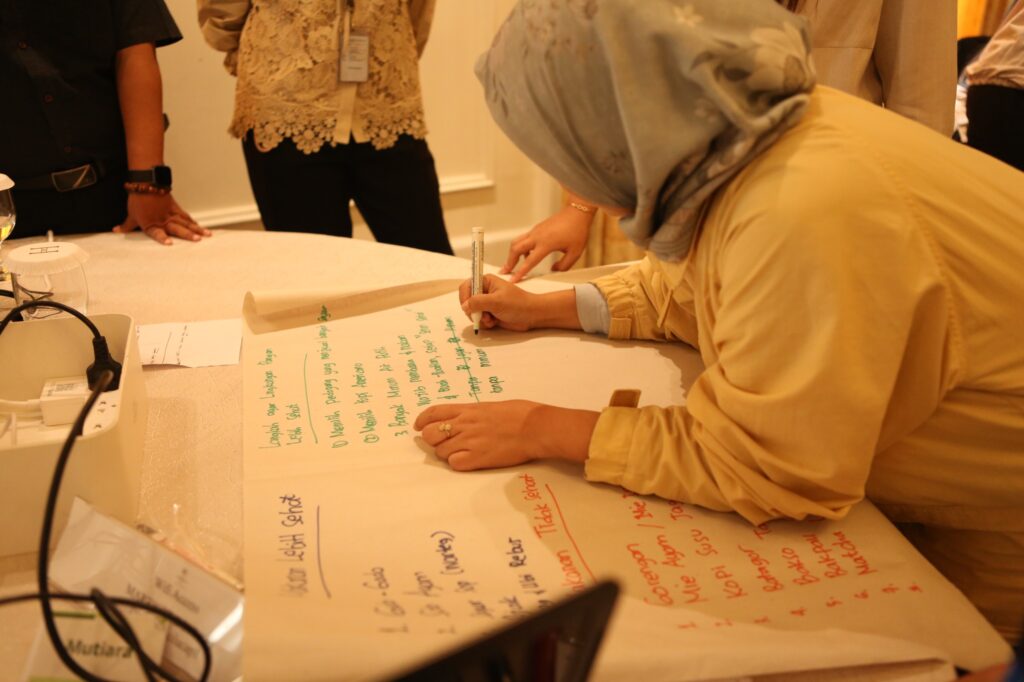
In order to connect theory with real-life situations, participants were instructed to compile and analyze their daily food consumption records under the facilitator’s guidance. Through this exercise, participants were able to objectively identify their own consumption patterns and understand their long-term health implications.
Beyond the Desk: Integrating Physical Activity into the Workspace
According to the Balanced Nutrition Pyramid (Tumpeng Gizi Seimbang), nutritional intake alone is insufficient to sustain a healthy lifestyle, Physical activity is required to achieve optimal health. In her session titled “The Importance of Physical Activity for Workers,” Prof. dr. Indah Suci Widyahening, Ph.D., provided a comprehensive analysis of how physical activity enhances employee fitness, covering everything from recommended intensity levels to specific guidelines for adults. Prof. Indah further emphasized the Good, Correct, Measurable, and Regular (BBTT) principles as a core foundation, while highlighting the vital link between balanced nutrition and employee productivity.
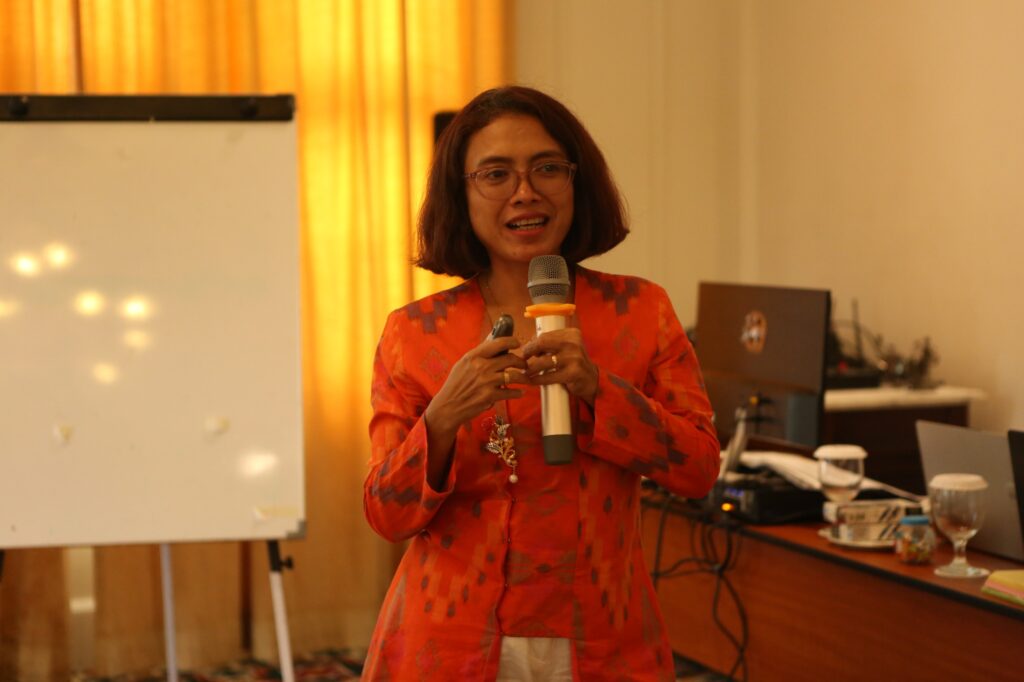
This session provides practical exercises, allowing participants to directly perform light physical movements they can easily do at their desks. These exercises are designed to maintain flexibility while boosting focus amidst their daily work routines.
From Labels to Layouts: Mastering Nutrition and Menu Planning
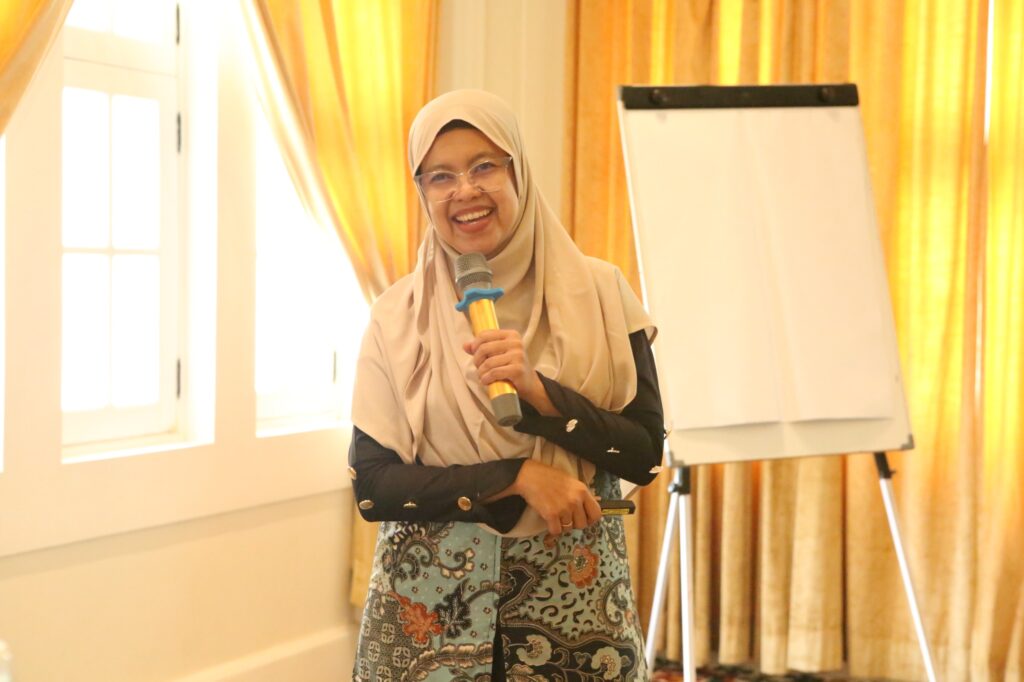
Nutrition intake was discussed deeply by Sari Kusuma, M.Gizi, through a presentation titled ‘The Importance of Balanced Nutrition and Menu Planning’. Participants were provided with a comprehensive understanding of the concept of the Indonesian Balanced Nutrition Guidelines (Pedoman Gizi Seimbang), which includes the Four Pillars of Balanced Nutrition, the philosophy of Tumpeng Gizi Seimbang, Isi Piringku, and 10 Pesan Gizi Seimbang.
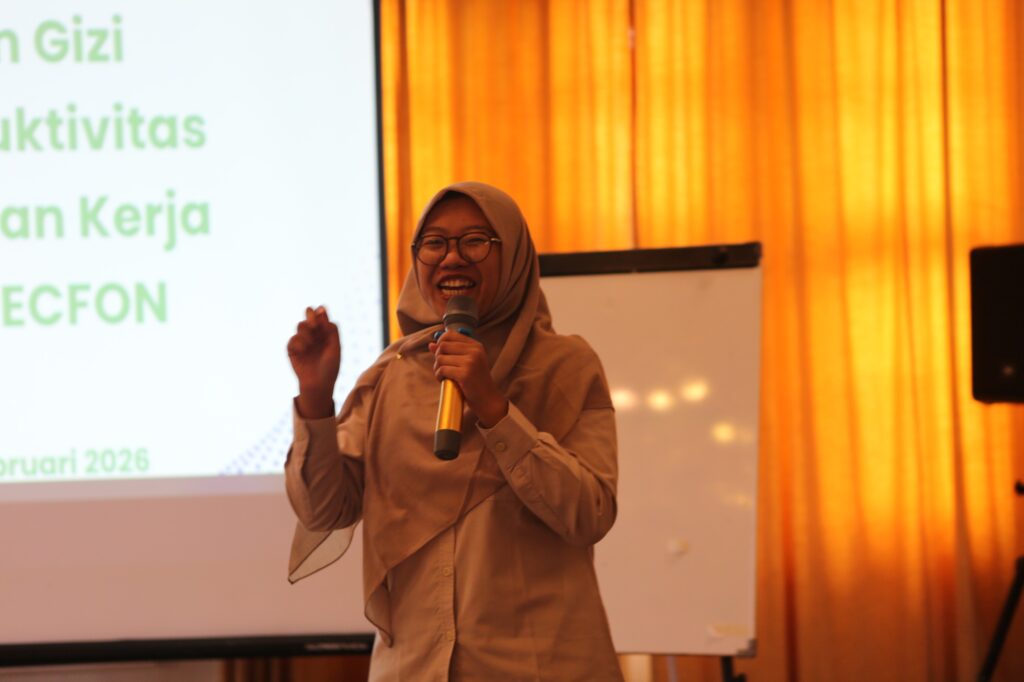
Enthusiasm was clearly displayed by the participants as they were encouraged to think more critically through the practice of reading nutritional information on product packaging. This skill aims to empower individuals to select nutritional intake that aligns with their specific bodily needs.
Transitioning theoretical knowledge into practical application became easier when each group prepared a daily balanced diet plan. The menu selection was adjusted based on the nutritional problems identified among SEAMEO RECFON staff to ensure that the solutions were relevant and applicable.
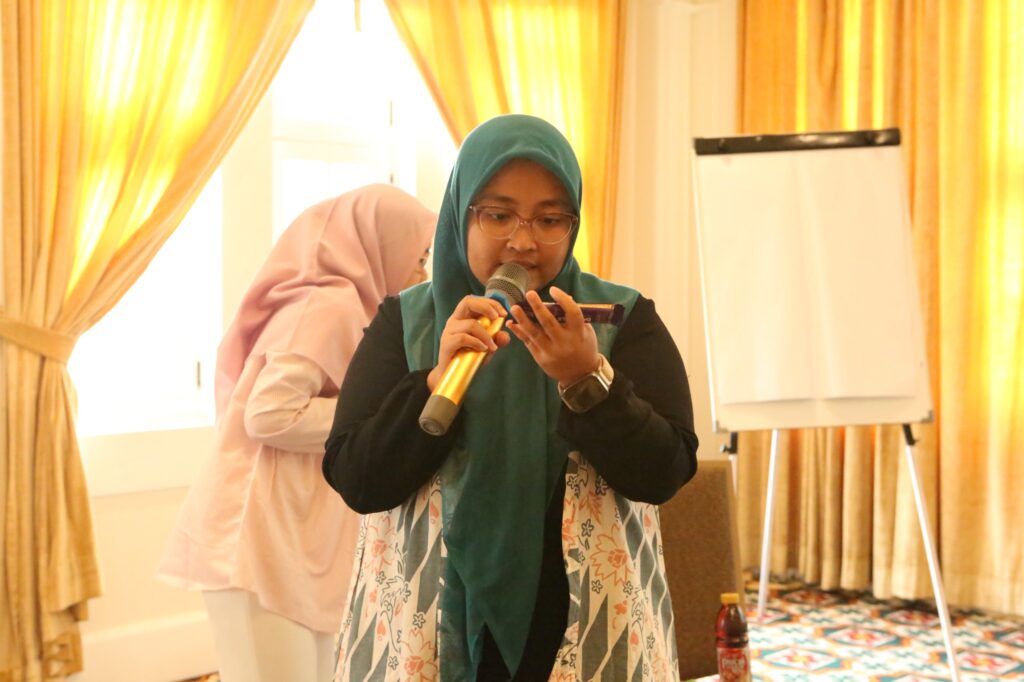
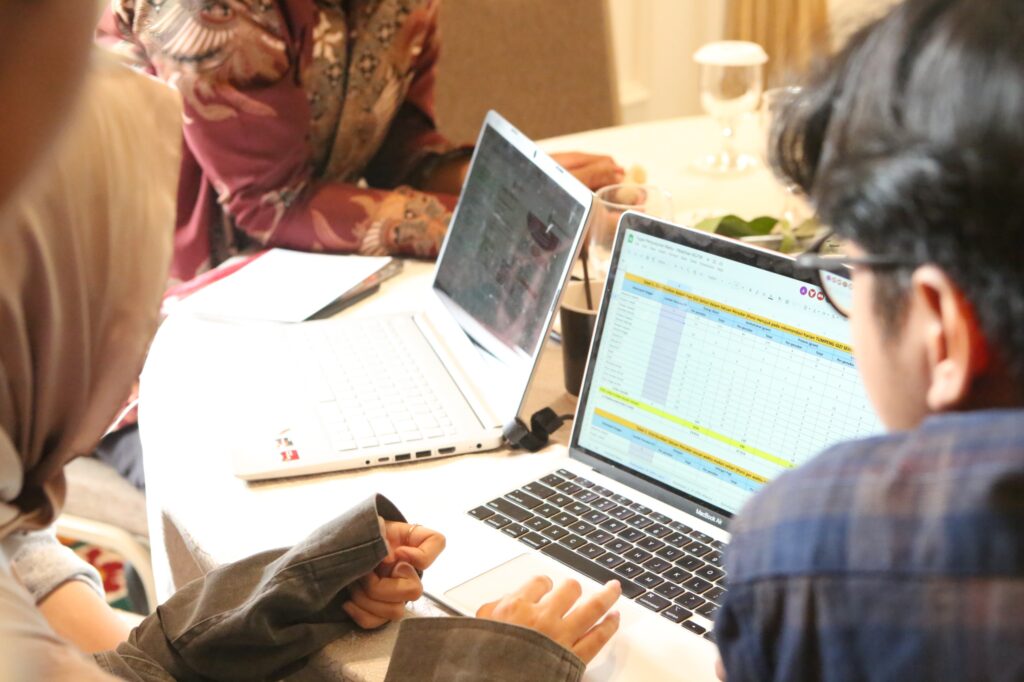
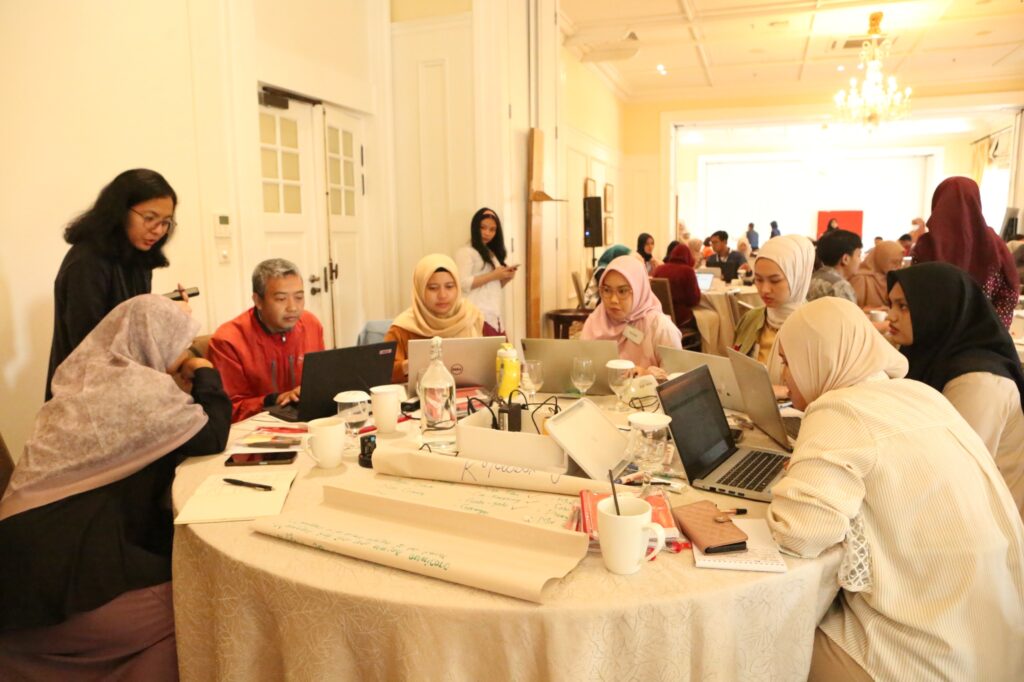
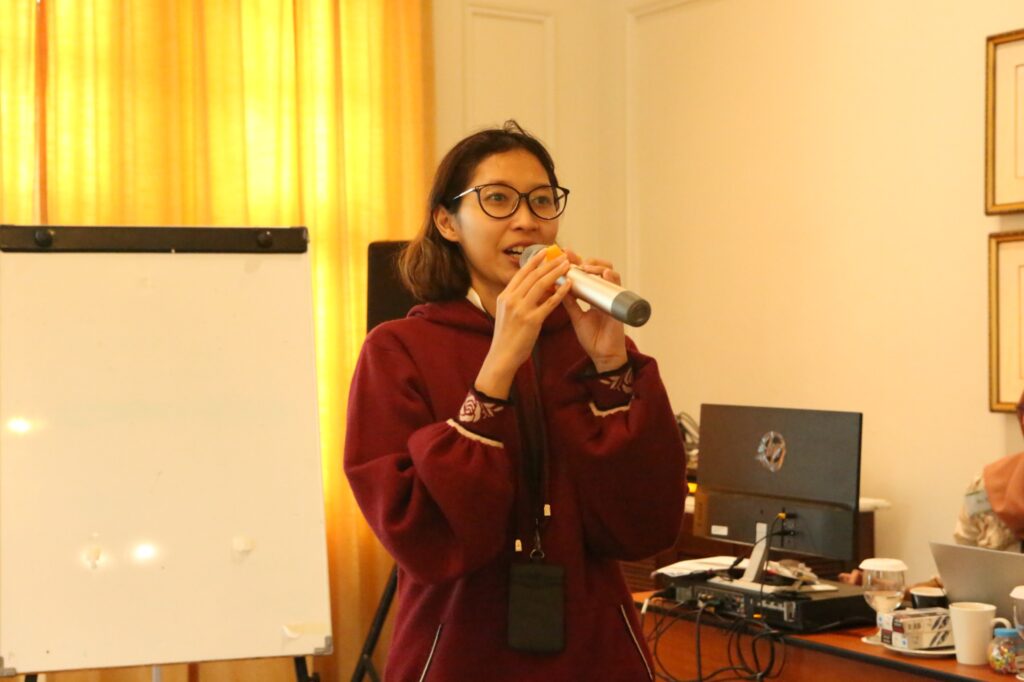
The session ended up with an interactive group presentation. Dr. Umi Fahmida shared her feedback and advice on how to improve the meal plans and healthy eating monitoring methods for adults. The discussion ensured that each meal plan met specific nutritional standards for different age groups, from adults to seniors, and also took gender differences into account. Through this approach, nutrition recommendations become more precise in addressing health challenges and unique nutritional issues faced by each staff group within SEAMEO RECFON.
Monitoring Personal Health through Precise Measurements
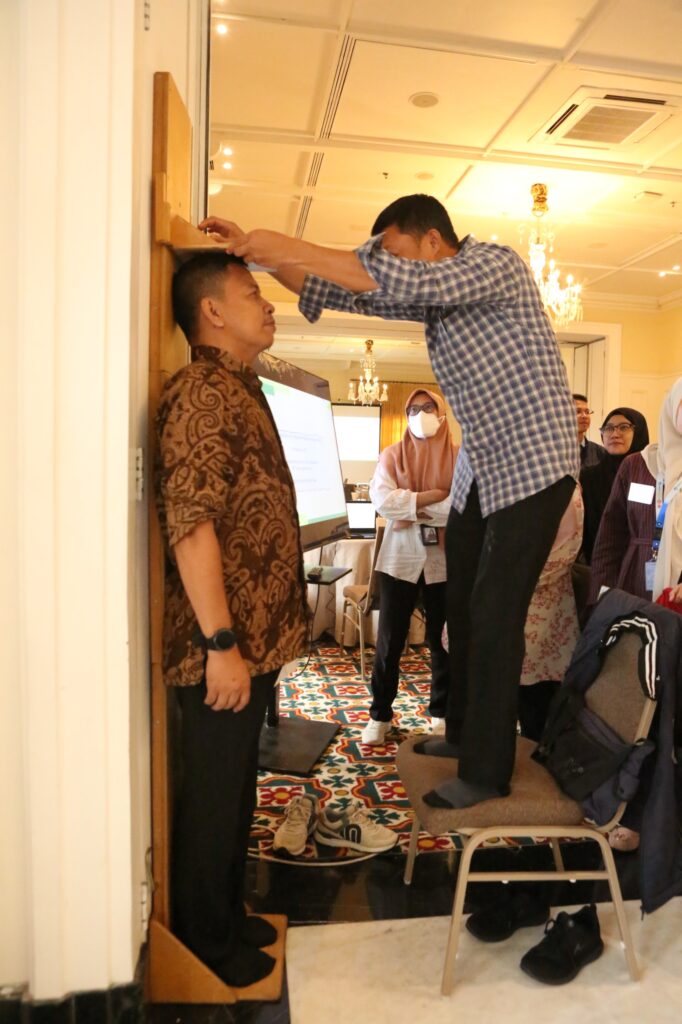
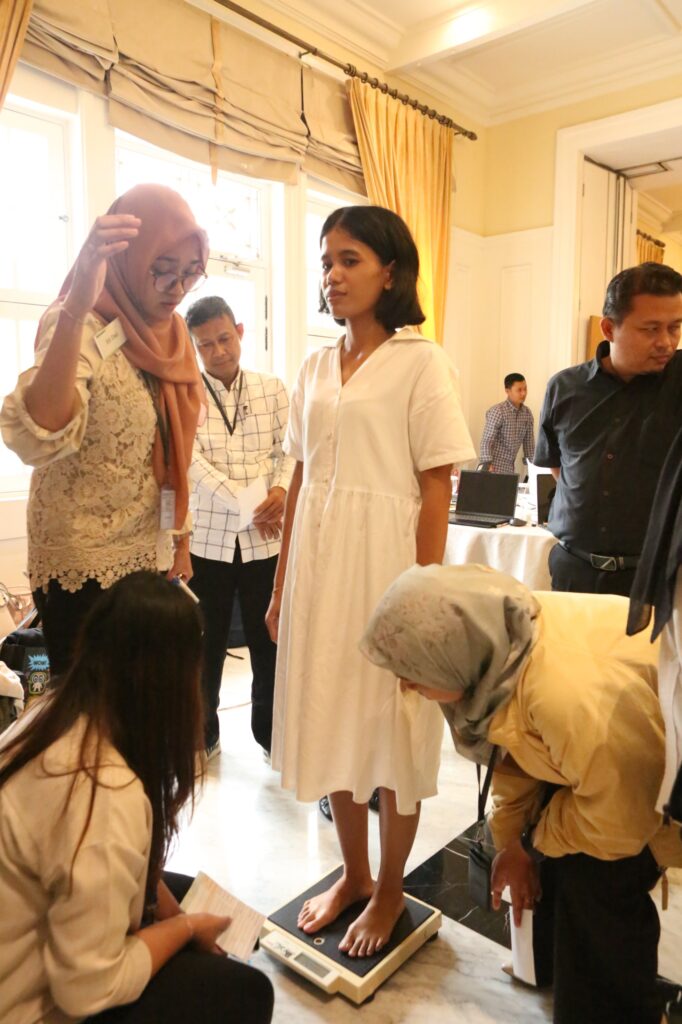
Following an explanation on what to consume, participants learned how to track the effects of their lifestyle. The session was designed to equip staff with a better understanding of various concepts and indicators of nutritional status, while also providing insight into how optimal health can be achieved through monitoring measurable physical parameters.
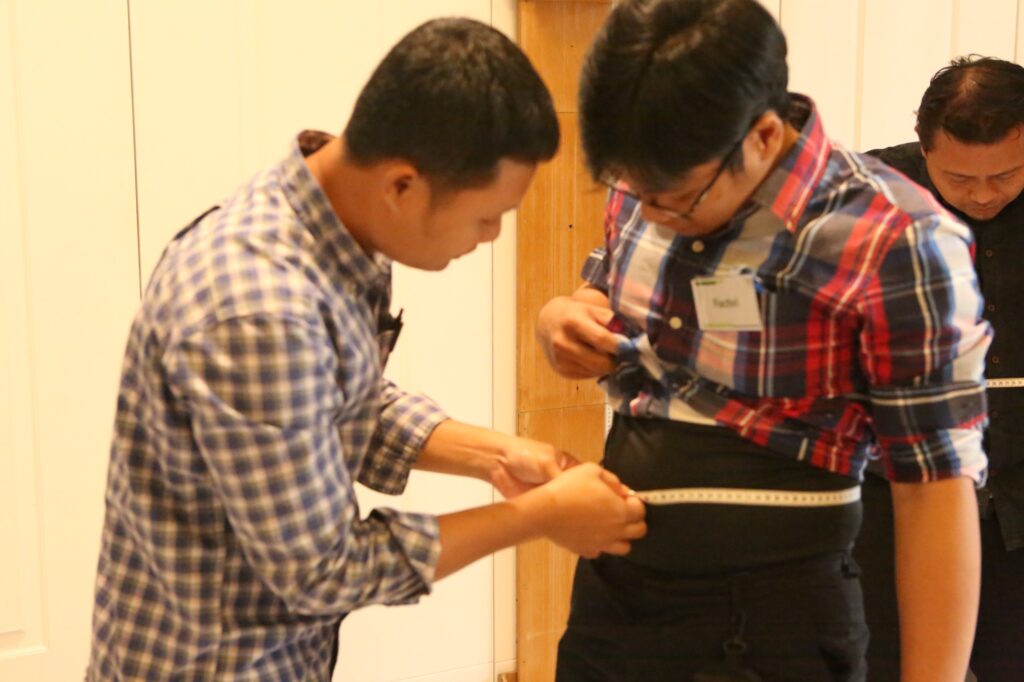
Participants took part in anthropometric measurements, including body weight, height, and waist measurements, following standard health procedures. Their excitement continued as they learned how to determine their personal nutritional status by calculating their Body Mass Index (BMI) and analyzing their waist measurements. Through this activity, staff members of SEAMEO RECFON and interns from the MagangHub Kemnaker can objectively assess their health status to take preventive measures in maintaining their fitness in the workplace.
Action Plan (RTL) : Ensuring Sustainability of Change
As a crucial closing agenda, participants drafted and presented a Follow-up Plan (RTL) under the guidance of Dr. Judhiastuty Februhartanty as session coordinator. The final session was intended to provide staff and interns from the MagangHub Kemnaker program with practical operational guidance to implement the NGTW program effectively, alongside the formulation of a comprehensive and systematic monitoring plan.
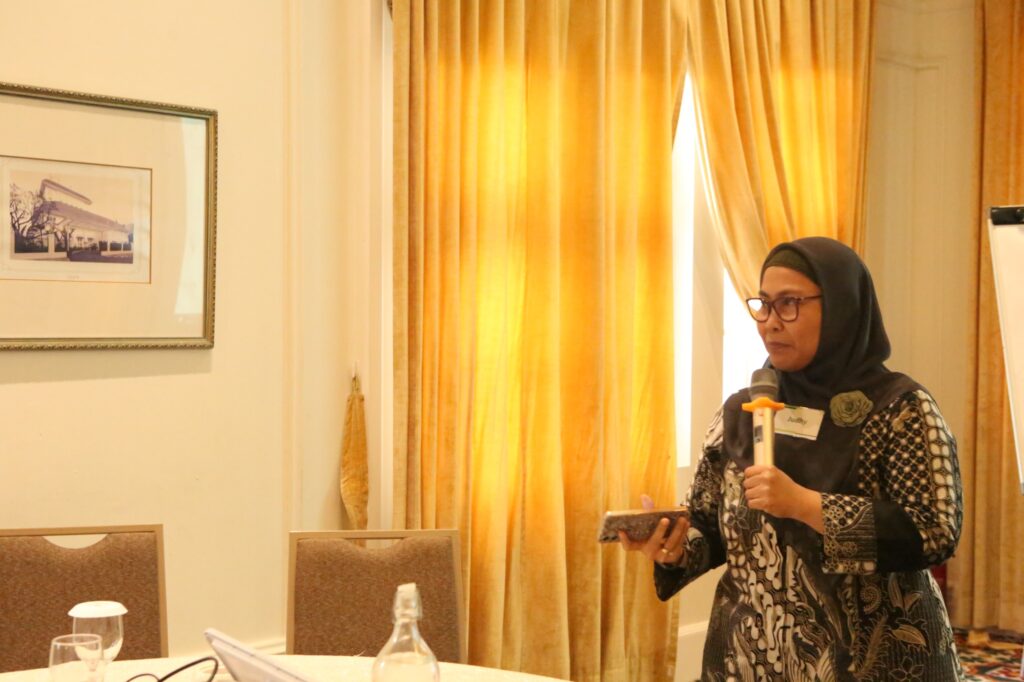
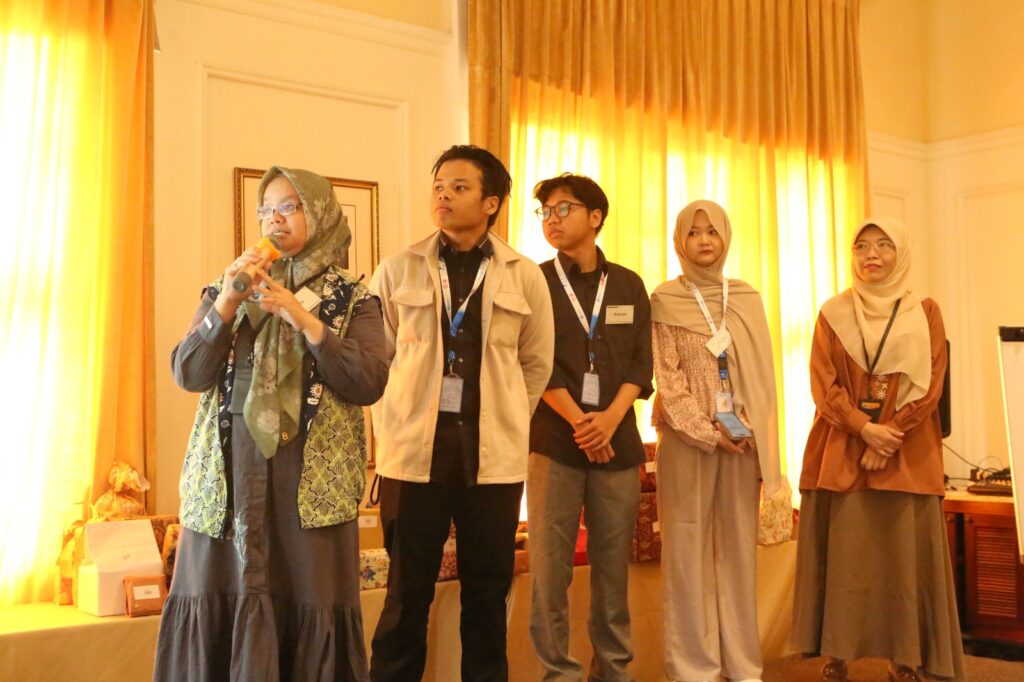
The draft action plan was reviewed by Dr. dr. Herqutanto, MPH., MARS., Sp.KKL.P, Ir. Helda Khusun, M.Sc., Ph.D, and Dr. Zainun Misbah, MSc. Their feedback was crucial in improving the implementation strategy to ensure the sustainability and effectiveness of the program in supporting the productivity and well-being of all staff members.
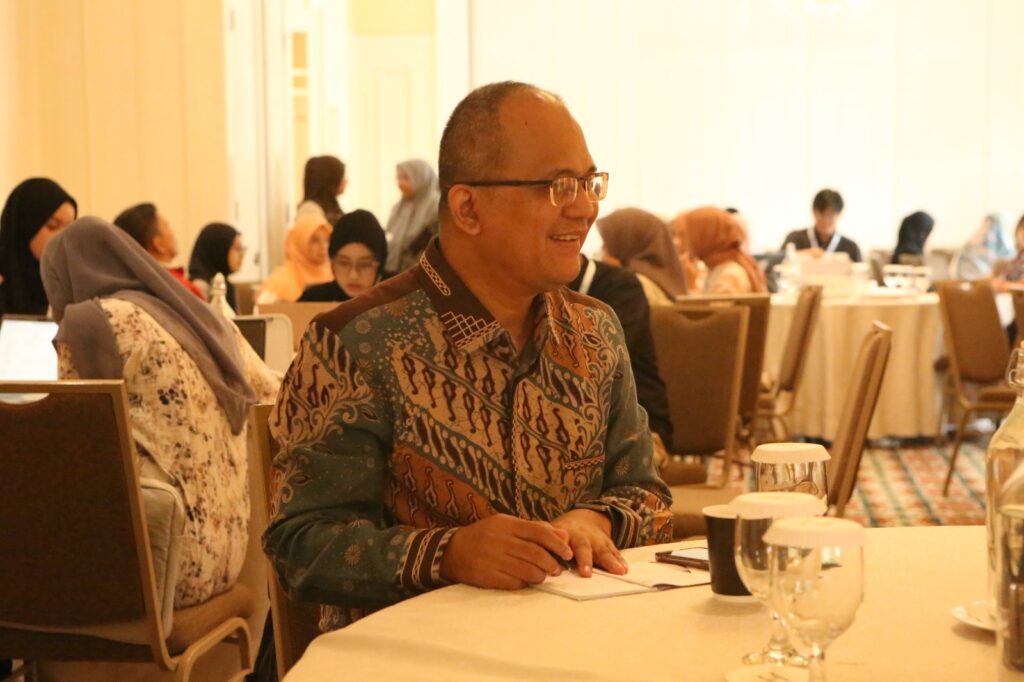
Through this initiative, SEAMEO RECFON reaffirms its commitment to fostering a healthy and active workplace environment, with the expectation that the outcomes of the training will be sustainably implemented to support staff well-being and organization performance in the field of food and nutrition.